How to Design Roofing Systems that Comply With Colorado’s New Wildfire Resiliency Code
As the threat of wildfires continues to grow across much of the Western United States, more jurisdictions are enacting tougher building code requirements aimed at increasing resilience, preventing loss and improving safety. Colorado is the latest state to follow suit, adopting the 2025 Colorado Wildfire Resiliency Code (CWRC) and beginning enforcement on July 1, 2026.
The timing couldn’t be more on point, as the Rocky Mountain State has been ground zero for wildfire season this summer, with numerous fires raging throughout the state.
What Is the 2025 Colorado Wildfire Resiliency Code?
Administered by the Colorado Wildfire Resiliency Control Board, the Colorado Wildfire Resiliency Code (CWRC) establishes minimum statewide wildfire mitigation standards for buildings in Wildland-Urban Interface (WUI) areas. The code was based largely on the 2024 International Wildland Urban Interface Code (IWUIC) but adapted for Colorado-specific wildfire risks.
The requirements are designed to reduce ember intrusion, flame contact and structure-to-structure fire spread, the code addresses roof coverings, soffits, vents and gutters; exterior walls, including siding and sheathing, doors and windows; and decking, including the decking surface, framing and fascia. The code applies to all new residential construction as well as reroofing projects with 25% or more roof replacement area, exterior remodels with 25% or more wall replacement area, and additions of greater than 500 square feet.
How does the Colorado Wildfire Resiliency Code Affect Roofing Design and Materials?
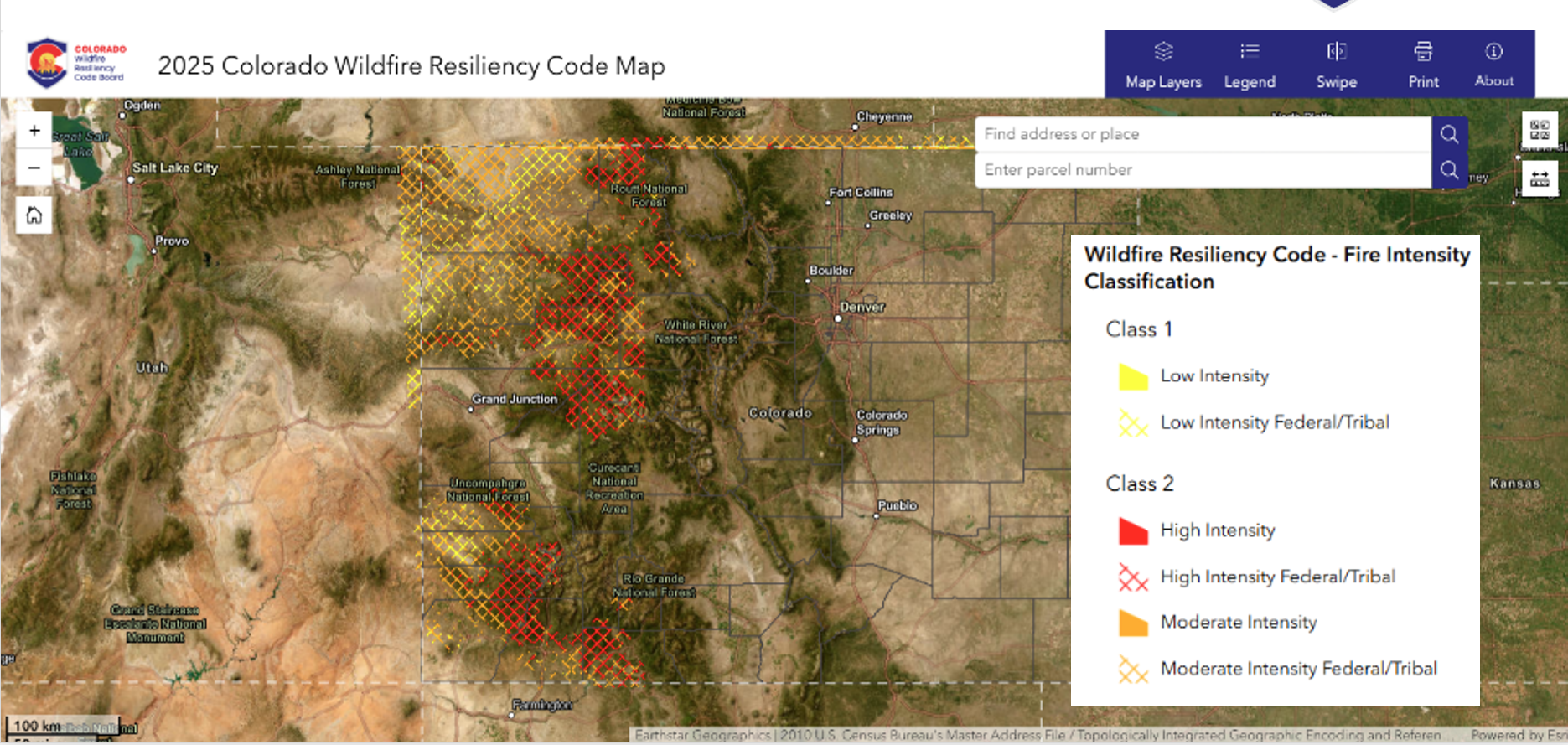
The CWRC is tiered based on mapped wildfire intensity:
- Low Wildfire Risk: Class 1 Structure Hardening
- Moderate & High Wildfire Risk: Class 2 Structure Hardening
Class 1 Structure Hardening (Low Wildfire Risk) Requirements for the Roof:
- All roofs must have a Class A roof covering or roof assembly tested in accordance with ASTM E108 or UL 790.
- Any roof with a roof space between the roof covering and the roof deck must have flame/ember resistance through firestopping, a layer of cap sheet complying with ASTM D3909.
- Roof valley flashings must be made of 26-gauge galvanized steel and installed over a minimum 36”-wide underlayment consisting of one layer of cap sheet complying with ASTM D3909 running the full length of the valley.
(To see the full code, including requirements for ventilation openings, visit the Colorado Division of Fire Prevention & Control.)
Class 2 Structure Hardening (Moderate & High Wildfire Risk) Requirements for the Roof:
In these areas, roofs must meet the requirements from Class 1 plus additional design requirements for eaves, including protecting eaves and soffits on the exposed underside and protecting fascia on the back side.
Do Westlake Royal Roofing Solutions Meet Colorado’s Wildfire Requirements?
Westlake Royal Building Products offers numerous roof system configurations that have achieved Class A classifications and are included in Westlake Royal product approvals/listings as well as the CAL FIRE Building Materials Listing (BML). This includes systems using US Tile® concrete and clay roof tile, DaVinci Roofscapes® composite slate and shake, and Unified Steel® stone coated steel when installed in accordance with the applicable ASTM E108 or UL 790 classified assembly, manufacturer installation instructions, product listings and evaluation reports.
In addition, Westlake offers and recommends fire-resistant underlayments that have been tested with various roof systems and are included within multiple listed Class A roof assemblies in both Westlake approvals/listings and the CAL FIRE BML. These underlayments — FYRATEK and Sol-R-Skin BLUE — may serve as alternatives to D3909 cap sheet in approved assemblies.
For profiled roof coverings that create a void between the roof covering and the roof deck, CWRC Section 403.2.1 requires that the space resist flame and ember intrusion. The section identifies prescriptive and listed-assembly compliance paths, including firestopping with noncombustible material, installation of one layer of ASTM D3909 cap sheet over a combustible roof deck. For US Tile and Unified Steel, FYRATEK™ fire & ember resistant underlayment and Sol-R-Skin BLUE™ underlayment are intended to provide the underlayment component of the listed fire- and ember-resistant roof assembly when installed continuously over the roof deck and beneath the roof covering in accordance with the applicable listing and installation requirements.
CWRC Section 403.2.2 requires roof valley flashings to be not less than or equivalent to No. 26 galvanized sheet gauge, installed over a minimum 36-inch-wide underlayment running the full length of the valley. Where the code text references ASTM D3909 cap sheet, FYRATEK and Sol-R-Skin BLUE may be submitted to the authority having jurisdiction as alternate materials or methods for use beneath valley metal and beneath profiled non-wood roof coverings, based on applicable listings and supporting test documentation. Both FYRATEK fire & ember resistant underlayment and Sol-R-Skin BLUE underlayment are manufactured in nominal 54-inch-wide rolls, exceeding the CWRC minimum requirement for a 36-inch-wide valley underlayment. When installed in accordance with applicable installation instructions, these products can provide valley underlayment coverage extending the full length of the valley and exceeding the minimum width prescribed by CWRC Section 403.2.2.
Note: DaVinci Roofscapes and other Class A-rated direct-to-deck roofing materials do not require an ember-resistant underlayment; however, when valley flashing is used on direct-to-deck roof installations, D3909 cap sheet must be installed beneath 26-gauge galvanized steel valley flashing.
Westlake Royal can provide applicable listings, evaluation reports, installation instructions, and supporting fire-test documentation for review when these underlayments are proposed as alternatives to ASTM D3909 cap sheet in concrete tile, clay tile or stone coated steel roof assemblies.
The Testing Behind FYRATEK and Sol-R-Skin BLUE
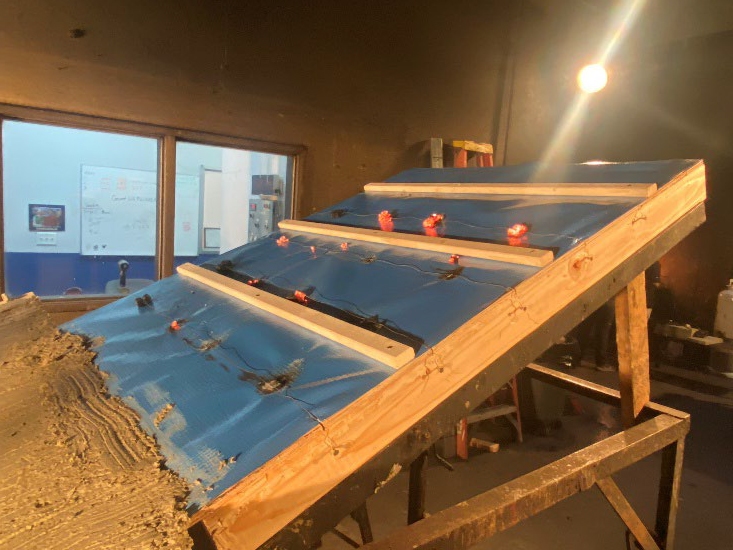
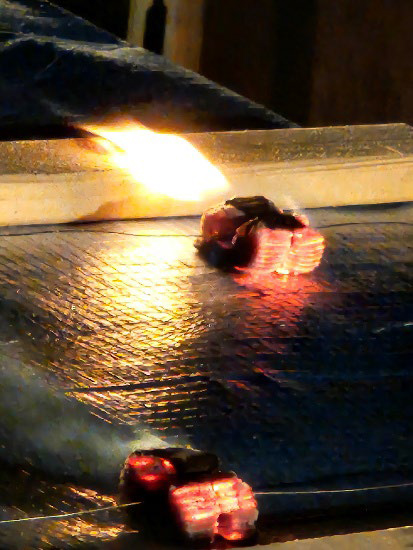
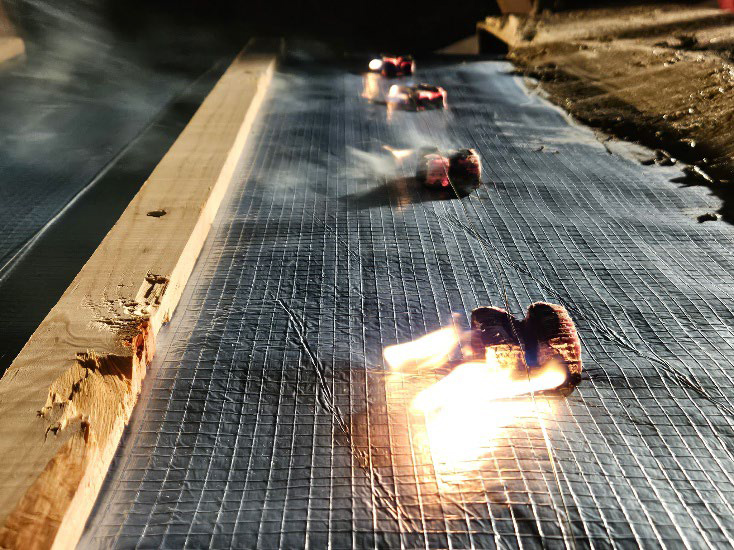
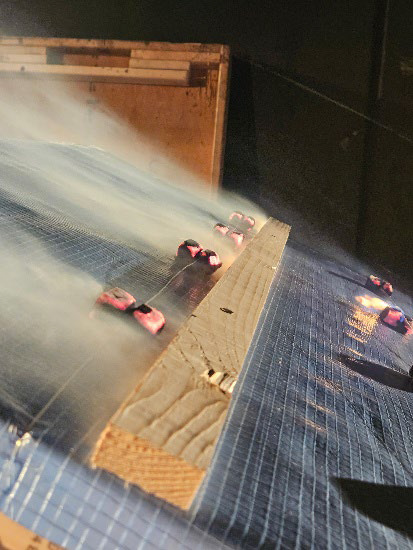
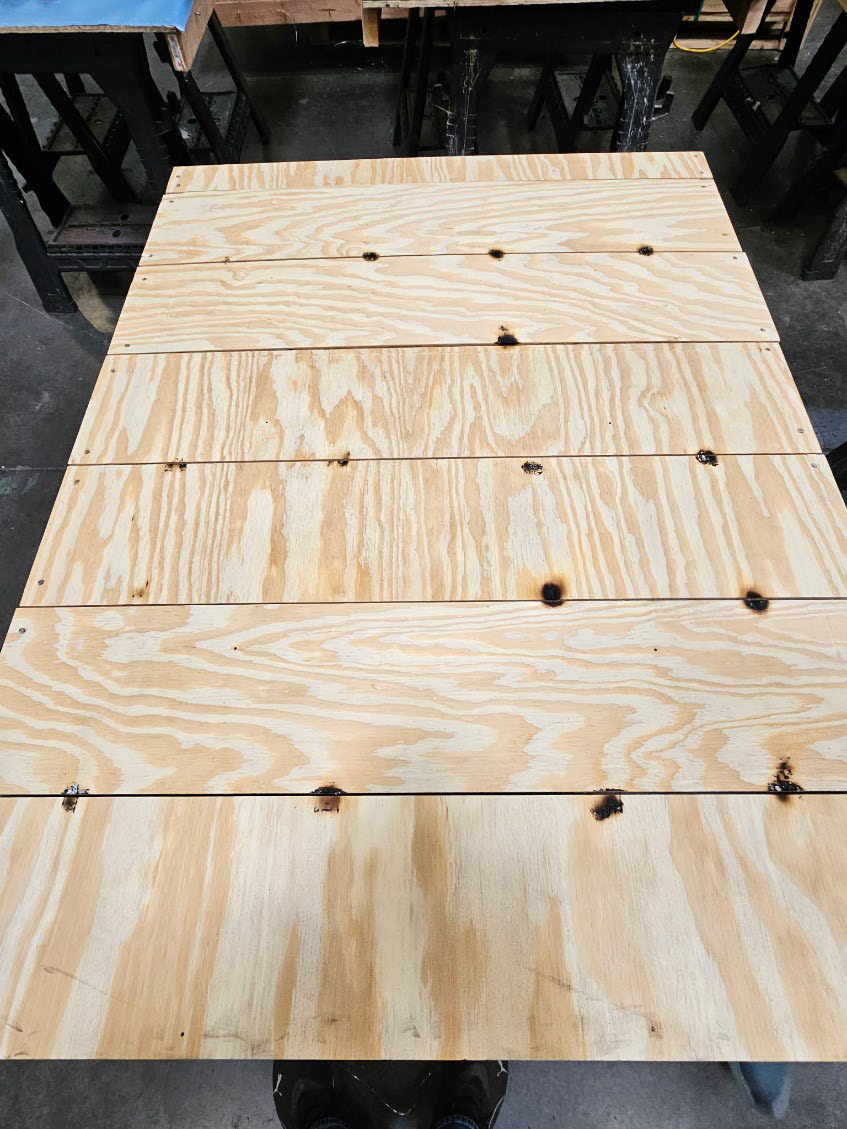
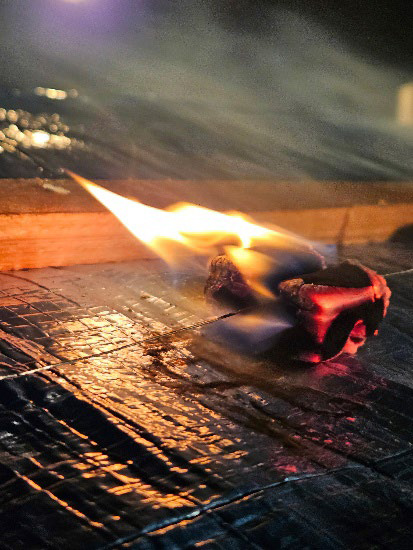
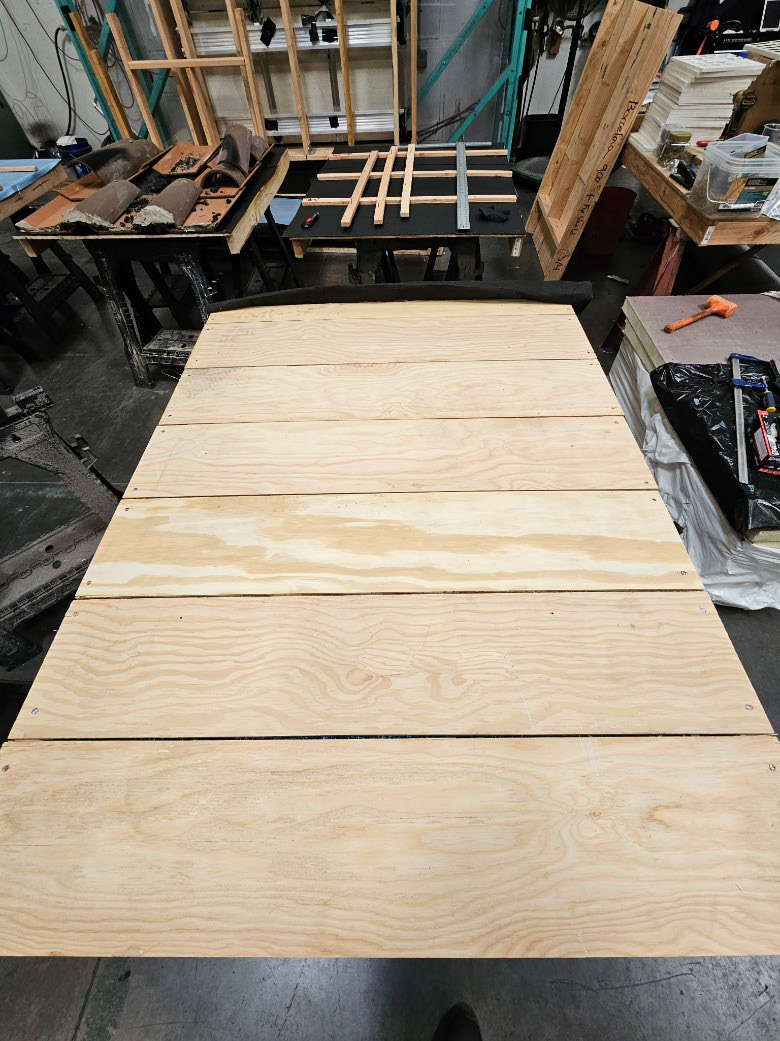
The requirement for ASTM D3909 cap sheet in the CWRC does not specify testing criteria for underlayment alternatives. Until that time, Westlake Royal has replicated the effect of embers on FYRATEK and Sol-R-Skin BLUE using the ASTM E-108 Class C Burning Brand Testing required for roof coverings. After working on a similar procedure in roofing code subgroups in California, we have proposed this testing process to code groups in Colorado, as well.
You can see how FYRATEK performed during the testing process:
And the results:
Sol-R-Skin Blue testing:
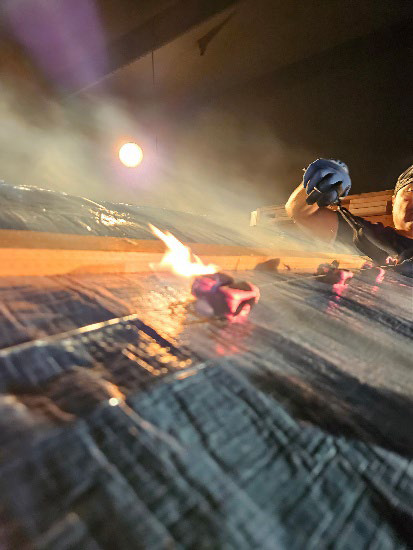
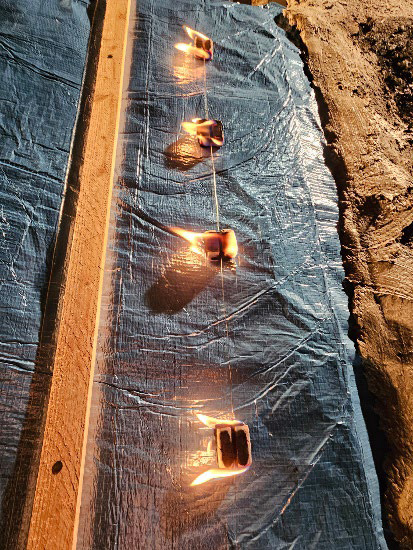
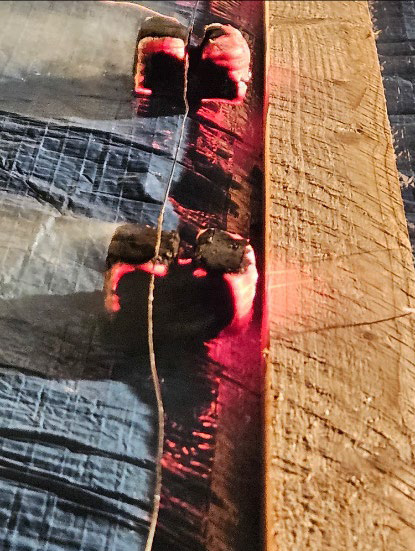
And the results:
Need Assistance With the Colorado Wildfire Resiliency Code? We’re Here to Help.
As you navigate the new wildfire requirements, including submitting approvals for alternative materials, you can rely on your Westlake Royal reps for support. We can provide technical guidance, documentation, installation education, and more.
Contact us here.