5 Ways to Help Homeowners Prepare Their Roofs for Hurricane Season
Hurricane season brings anxiety to many homeowners in the Atlantic and Gulf Coast states. But preparation, and upgrading to resilient roofing, can go a long way toward easing the worry.
Here are some tips to provide homeowners to help protect their roof - and their wallets - during hurricane season and beyond.
1. Ensure the Roof Is In Good Condition
It only takes a small area of damage or wear to create large problems in the roofing system, particularly in times of heavy rain and wind. Homeowners should inspect their roof for any sign of failure, which may include but is not limited to asphalt shingles that are missing, damaged, or losing granules; a metal roof that is cracked; or a clay roof with cracked or missing tiles. Damaged or deteriorated areas should be repaired as soon as possible (or the roof fully replaced if the problem is widespread) to avoid moisture intrusion issues.
2. Verify Insurance Coverage
Homeowners should check with their insurance provider to ensure their policy is up to date and to understand what it covers in the event of hurricane and storm damage. Not all policies cover everything - some may exclude wind or water damage, for example - so they may need to upgrade their coverage for greater peace of mind.
3. Prepare for Post-Storm Roof Coverage
Immediately after storms, there is a rush for protective materials like tarps to cover damaged roofs. They should have these on hand, like any other emergency provisions, so they don’t lose precious time and don’t have to worry about finding supplies. If tarps are scarce, Wakaflex® Flashing from Westlake Royal Building Products™ can provide immediate temporary protection for roofs with missing trim tiles or a small number of field tiles.
4. Avoid Post-Storm Scams
Following natural disasters, scam artists prey on homeowners, taking their insurance money and then disappearing without doing the work. Even though homeowners are likely feeling anxious to get their home’s roof repaired, it’s important they do their due diligence to make sure the contractor they choose is legit. As a roofer, making those connections with homeowners ahead of time can help them feel more prepared.
Additional post-storm tips for homeowners:
- Before having the home repaired, always start with an assessment from the insurance company; otherwise, the claim could be denied. The insurance provider may also have recommendations for reputable contractors.
- Only work with locally licensed and insured contractors.
- Check contractors’ references on Google, Yelp, the Better Business Bureau and other sites. Ask friends and neighbors for their recommendations, as well.
- Don’t be swayed by steep discounts; few legitimate providers are likely to drop their rates during high post-storm demand.
- Get multiple bids—in writing. These should include all details, including full scope of work, schedules, warranties, installation guarantees, all costs, etc.
5. Consider Upgrading to Resilient Roofing
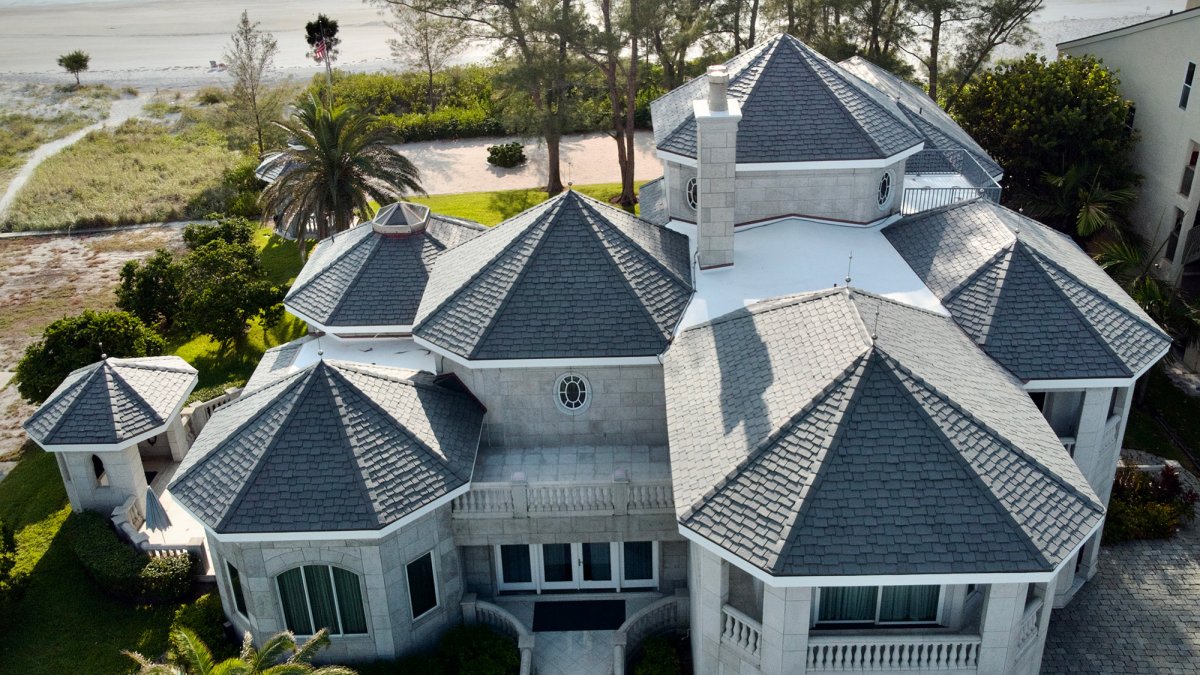
If the homeowner’s roof needs replacing or if they’re simply tired of worrying about how it will handle the next storm, the time to start the process is now, before bad weather and before higher demand.
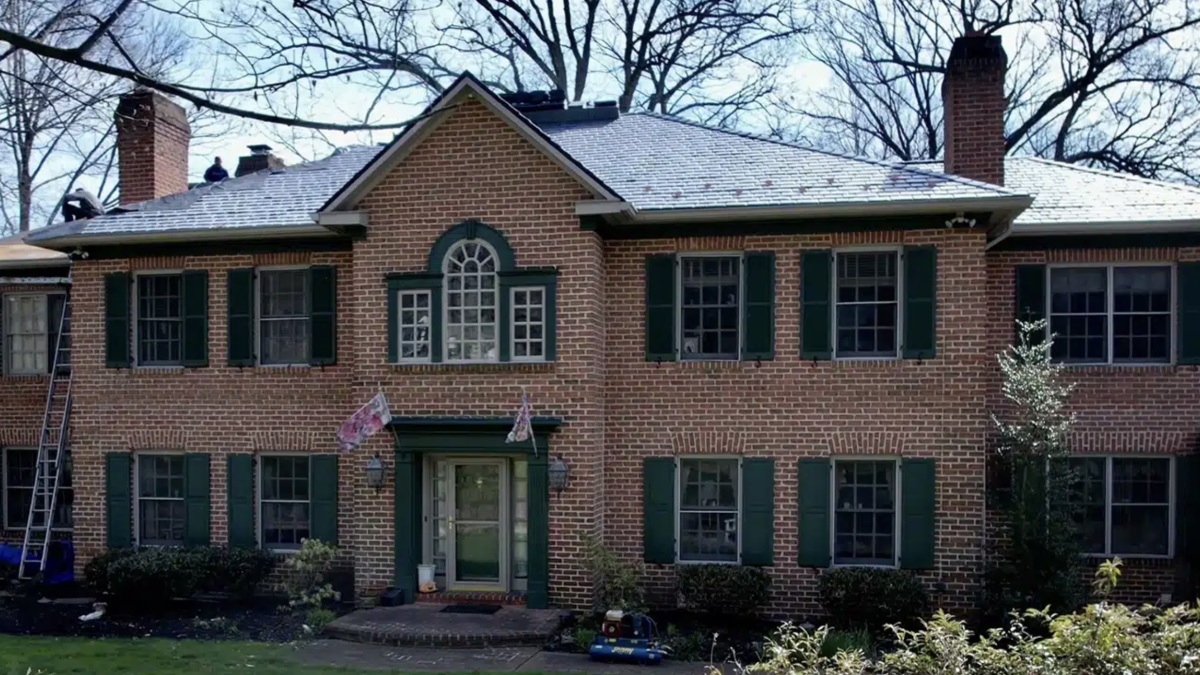
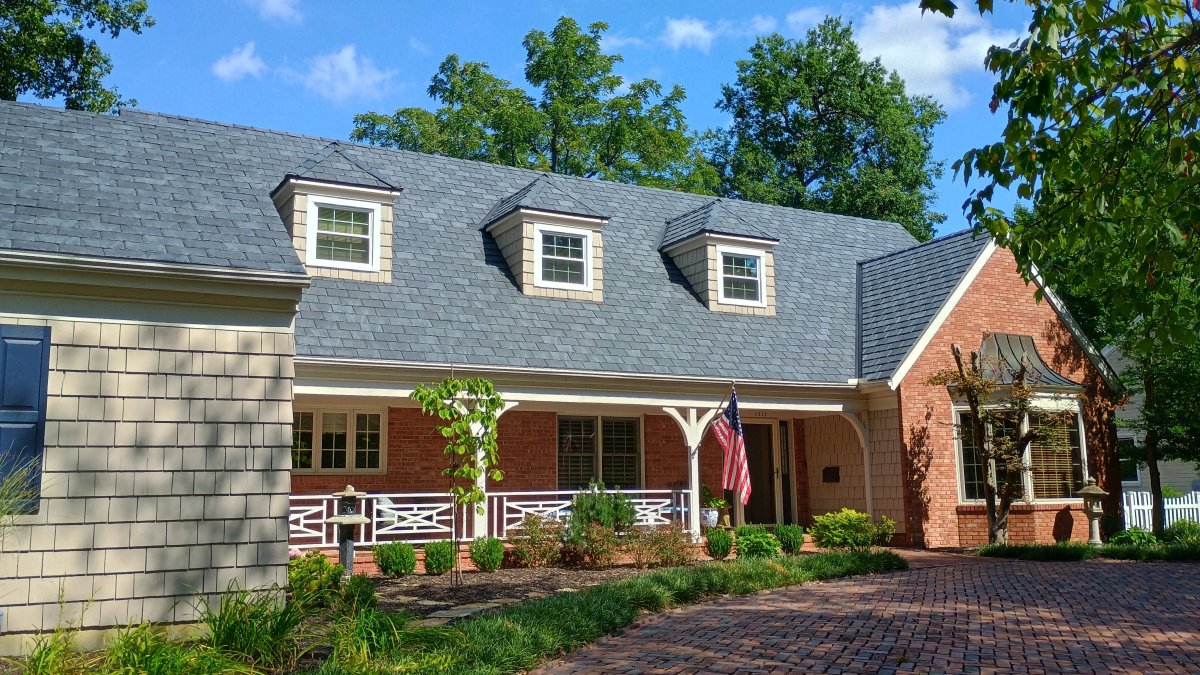
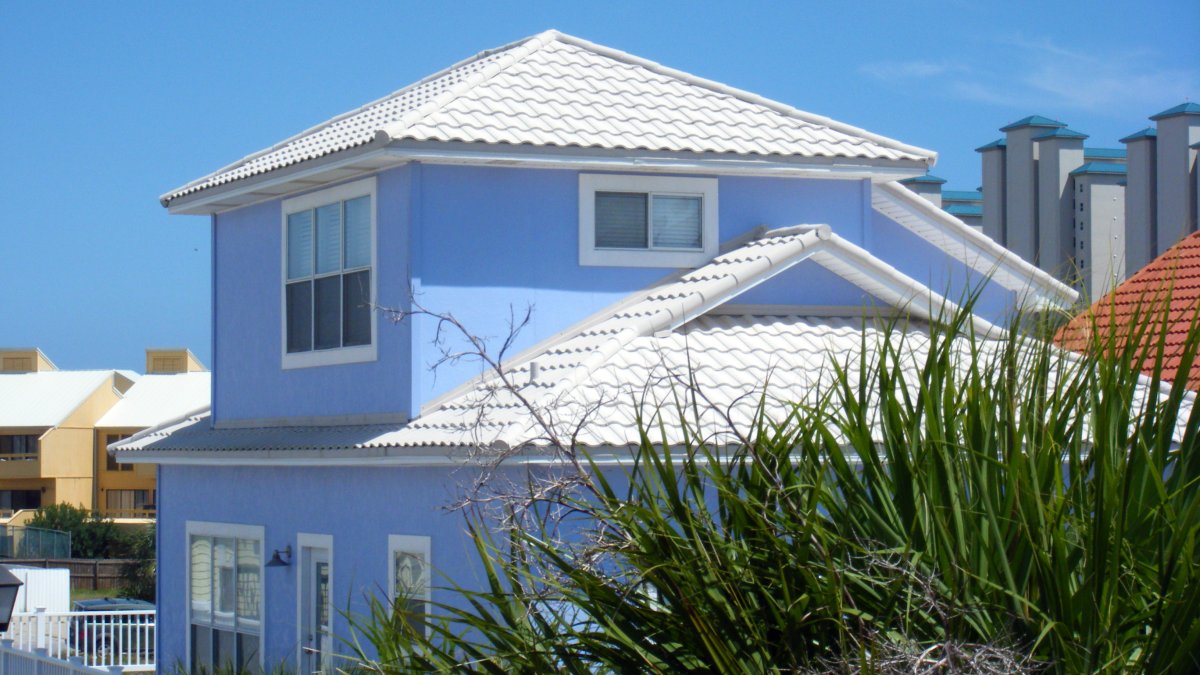
Three resilient roofing options with long life spans and designed and tested to withstand severe Florida weather are Unified Steel™ Stone Coated Steel Roofing, Newpoint™ Concrete Tile and DaVinci® Roofscapes.
Unified Steel roofs withstand up to Category 5 hurricane-force winds and above when fastened properly, meet coastal Florida regions’ performance for High Velocity Hurricane Zone (HVHZ) and carry a Class 4 Impact rating and the Very Severe Hail (VSH) impact-resistance classification.
Newpoint Concrete Tiles withstand winds up to 180 mph with proper attachment and carry Impact Ratings for protection against hail. All Newport Concrete Tiles sold in Florida have been approved for use within the state through either Westlake Royal’s Florida Product Approvals or the Miami-Dade Notice of Acceptance.
DaVinci Roofscapes composite shake and composite slate roof shingles meet coastal Florida regions’ performance for High Velocity Hurricane Zone (HVHZ) and Miami-Dade wind requirements when fastened properly and have a Class 4 Impact Rating.
For more information and resources, visit our hurricane information page.