Ice Dams 101: Essential Guide for Homeowners
You and your roof share more similarities than you might think. Both of you are significantly affected by weather changes. While you can easily add a coat during the frigid winter months, your roof faces a tougher challenge in staying warm. This is why having a roof with excellent insulation is vital.
A well-insulated roof plays a key role in preventing ice dams. Though icicles hanging from your gutters may seem picturesque in snowy weather, they’re signs of potential trouble for your home.
What Is an Ice Dam?
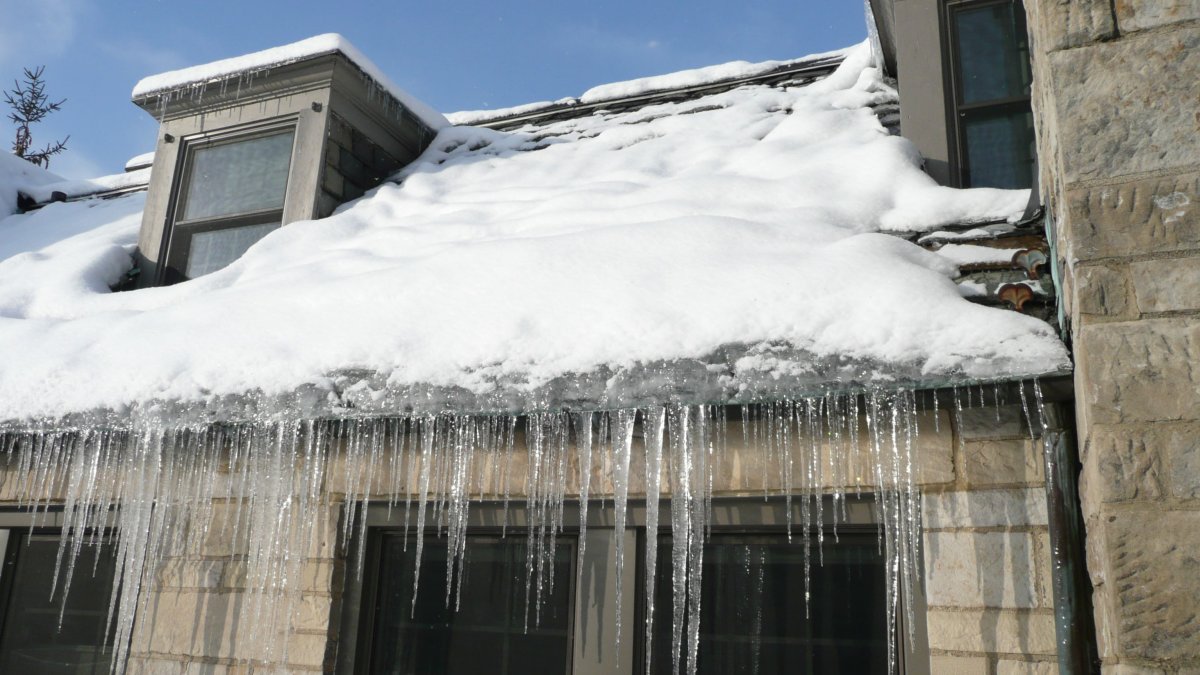
Ice dams are those thick ridges of ice that form along your home’s eaves, gutters, or siding. Almost any roof has the potential to develop ice dams, which can weigh down and break gutters, obstruct proper drainage of melting snow, and lead to roof leaks.
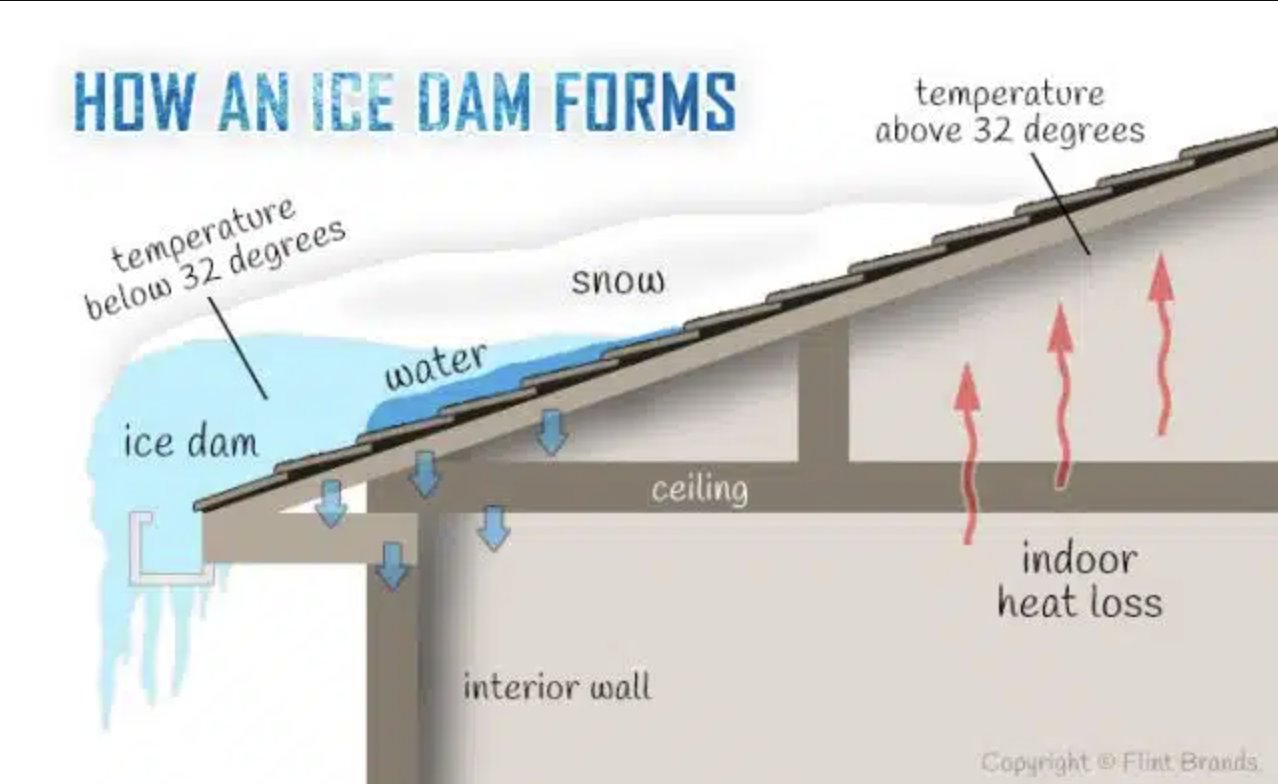
The process begins when heat rises from your home’s interior during the winter, melting the snow and ice on the roof. This water runoff can re-freeze when it hits the colder edge of the roofline, creating a solid ice dam. Cool Roof Rating Council® explains that warm air inside the house can escape into the attic if not properly insulated, warming the underside of the roof. As the melted water drains along the roof, it eventually reaches the cold overhang, refreezing and forming an ice dam and icicles.
These ice dams prevent water from properly draining off the roof and into the gutters, leading to potential water backup. This can cause leaks into your home, damaging both the roof and interior ceilings. Protecting your home from such issues starts with ensuring your roof is built to withstand the elements with superior insulation and quality materials.
Tips for Preventing Ice Dams
If you want to avoid ice dam build-ups altogether, there are a few steps you can take prior to the wintry weather that brings them.
Tip 1 – Install Self-Adhered Membrane
If you’re planning a new roof installation, be sure to request a premium self-adhered membrane. This protective layer goes below the roofing tiles. It enhances attic insulation, crucial for preventing ice dams on your roof and overhangs.
At DaVinci Roofscapes, we require the installation of a self-adhered membrane from the bottom edge to two feet above the exterior wall line on all eaves in areas prone to ice dams. Additionally, we require this membrane in all valleys, regardless of temperature.
Explore your options and choose the self-adhered membrane that best suits your roof project. But make sure not to skip this essential step. Ice dam prevention is a critical aspect of any roof replacement.
Maintaining a well-ventilated and insulated attic is also vital. The attic temperature should remain as close to the outside temperature as possible to further prevent ice dam formation.
Tip 2 – Complete Autumn Maintenance
Each autumn when the leaves fall, they can quickly fill up your gutters, leading to blockages. Take proactive steps to maintain your roof by cleaning out your gutters or hiring a professional to handle this task. Check downspouts and evaluate the overall condition of your roof. Keeping these areas clear is important for preventing ice dams.
If you don’t address this cleanup before the winter weather hits, debris, rain, and melting snow can accumulate, creating a host of water issues. When this water freezes, it can cause significant problems. Prioritizing this maintenance ensures that your roof remains protected and your home safe from potential ice dam damage.
Tip 3 – Get Professional Assistance
If you experienced hailstorms over the spring or summer months, have a roofing professional evaluate the condition of your roof before the colder seasons. You especially need assistance from a professional if you have steep slope roofing that makes it dangerous to work on the roof yourself.
Checking your roof for general wear and tear is also very important. It is the first level of defense your home has from the sky and what it delivers. Natural slate shingles can crack. Cedar shakes can split. Asphalt shingles can lose their durability from heavy hail or windstorms. Plus, fungus, algae, and mold can grow on these shingles. A professional roofer should evaluate your roof for these potential problems yearly.
Tip 4 – Spend Time in Your Attic
Investing time in your attic during the spring, summer, or autumn can significantly affect your home’s resilience during winter. Ensuring your attic is well-insulated is essential for preventing ice dams by eliminating the melting-and-freezing cycle that causes their formation. Begin by sealing any areas where warm air might escape from your house into the attic, such as vent pipes, exhaust fans, chimneys, attic hatches, and light fixtures.
While inspecting your attic, look for visible signs of leaks from summer storms and assess the condition of your insulation. Consider adding more insulation in areas that appear sparse. Homes with superior attic insulation not only stand strong against ice dams but also benefit from reduced energy bills, especially during frigid winter weather.
Ice Dam Removal: When You Can’t Prevent Them
Taking a shovel to overhanging icicles isn’t a solution. Neither is pouring hot water on ice dams or using a hammer or chainsaw. When removing ice dams, you must be extremely careful to avoid damaging anything beneath them, such as gutters, roofing, or siding.
If you’re dealing with a significant amount of snow along with the ice dam, consider starting with a roof rake. This specialized rake with wheels is designed specifically for this use and won’t harm your roof. Use the rake to pull the snow off the roof toward you, all while standing safely on the ground. Of course, you’ll need to be mindful of falling icicles and snow as you work.
For a more creative approach, This Old House magazine suggests placing old pantyhose or tube socks filled with a chemical ice-melt directly on the ice dam. This method can effectively break down the ice, but retrieving the sock might also require an equally creative solution.
Another efficient method is to use heated cables, strategically placed on the ice-covered roofing. Many homeowners prefer to hire professionals for this task, as it involves careful placement and handling. Roofing professionals are also a wise choice if ice dams are difficult to reach or if you suspect roof leakage or damage.
After the Ice Melts, Turn to DaVinci
As the weather warms up, assessing the extent of ice dam damage to your roof becomes imperative. While gaping holes, stained ceilings, and messy leaks are obvious indicators, sometimes the signs are more subtle.
If your roof is nearing the end of its life cycle — typically 20 to 25 years for asphalt shingles — it’s wise to consider replacement options. However, age alone shouldn’t dictate this decision.
Consider replacing your roof with a composite slate or shake roof when:
- Severe weather conditions in your area, like hail or tornadoes, demand a stronger roofing material.
- Your existing roof, though functional, has unsightly stains that detract from your home’s appearance.
- You want a low-maintenance composite roof with a lifetime limited material warranty.
- You want to avoid the wood rot and termite issues associated with wood shakes.
- Heavy snowfall in your region has caused significant roof damage.
- Increasing wildfire risks prompt you to choose a fire-resistant composite roof for peace of mind and compliance with updated building codes.
- Your neighbors have new roofs, and you want to maintain your home’s value.
- Your neighbors have dated roofs, and you want to increase your home’s resale value.
Many homeowners wait until their roofs are severely worn before considering an upgrade. Curling, splitting, and missing shingles are clear warning signs, but evolving weather patterns demand greater awareness.
Whether dealing with hail or ice dam damage, DaVinci roofs endure whatever Mother Nature throws their way. It’s essential to be proactive and invest in the best roofs to safeguard your home.
Discover the DaVinci Difference
Explore our wide range of DaVinci products and see how they can enhance your roof’s beauty and durability. View Products