8 Winter Workwear Picks for Cold Jobsites
As cold temperatures creep in, staying warm on the jobsite is critical for worker health and comfort. Thankfully, manufacturers continue to introduce work gear that not only protects the head, the hands, the body and the feet, but does so with both functionality and style.
The following eight products — from a heat-reflective hard-hat liner to insulated work boots and flexible work bibs — offer features designed for cold jobsites.
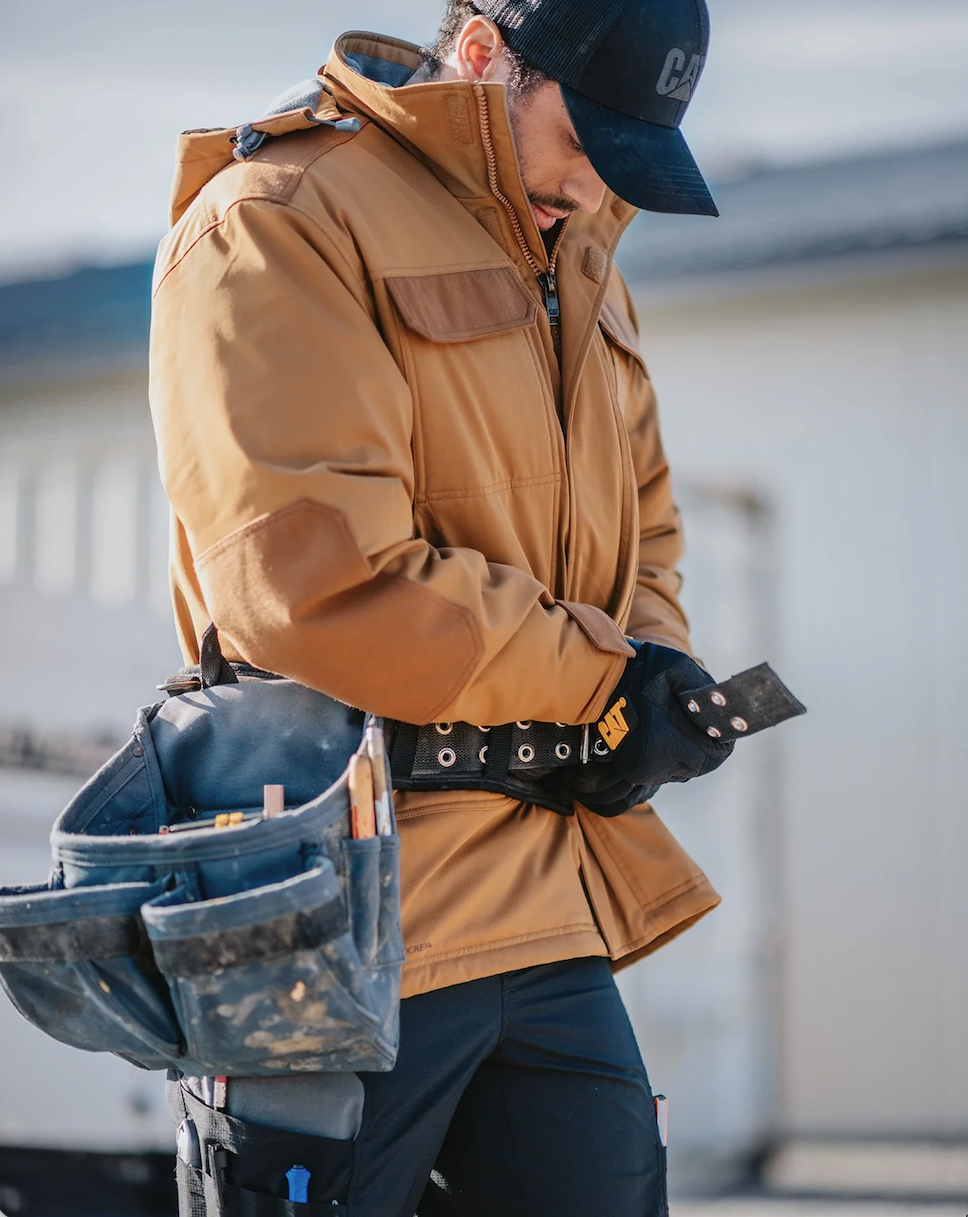
Utility Jacket
Caterpillar’s new Tradesman Utility Jacket is water-repellent and wind-resistant, has a removable fleece-lined hood and includes Cold Blocker insulation technology. The jacket features higher-positioned hand-warmer pockets to provide easy access while wearing a toolbelt, a roomy cut for mobility, rib-knit interior cuffs for a secure fit and chamfered pocket corners and elbow patch overlays for added durability. Available in Bronze and Washed Black.
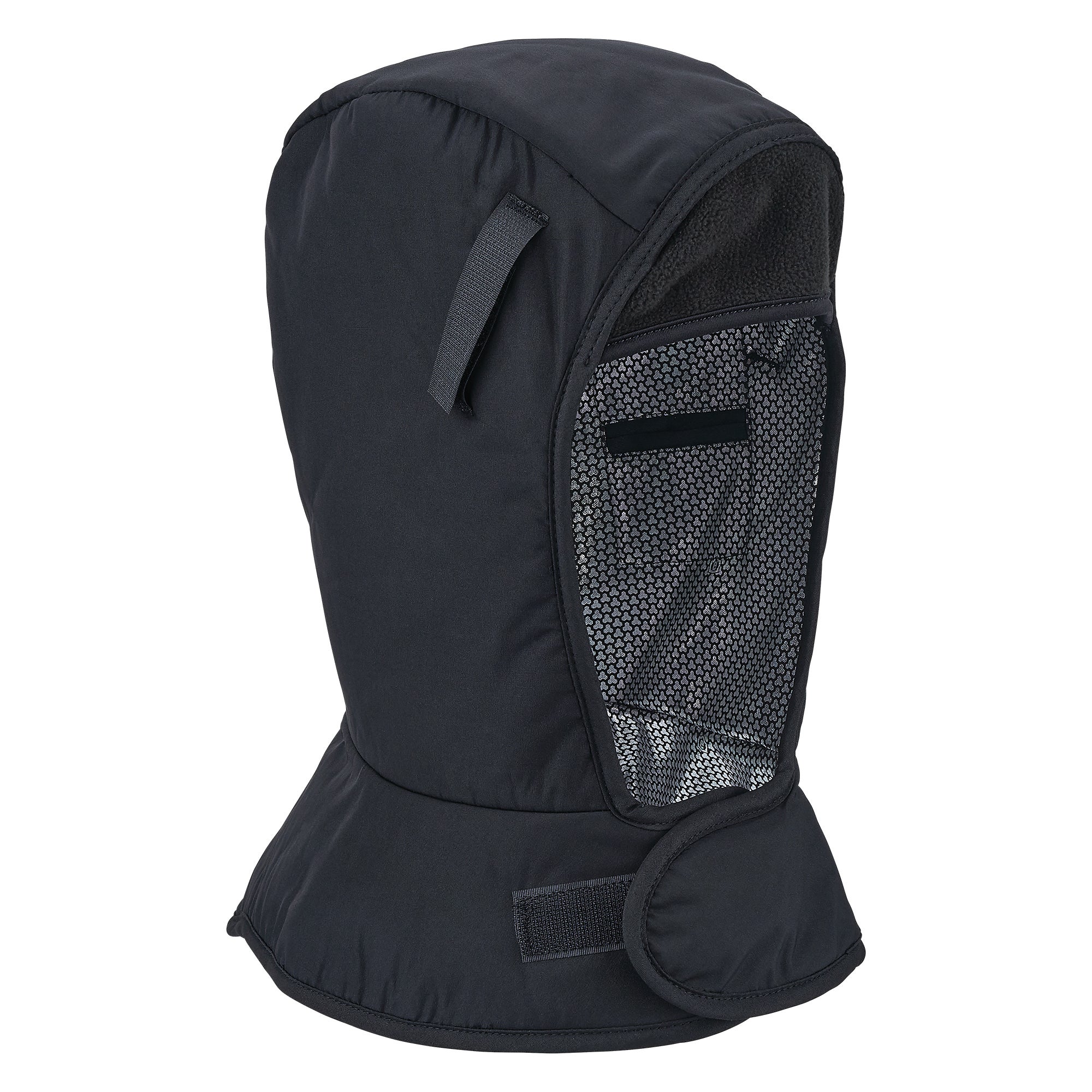
Heat-Reflective Hard Hat Liner
Coming soon from Ergodyne, the N-Ferno 6835 Winter Hard Hat Liner with ampliFIRE Heat Reflective Lining features a long-length design to cover the head, ears and neck. Its heat-reflective lining captures, reflects and traps body heat, while the fleece forehead panel and angled back panel seal out the cold. The liner has a low profile and four attachment points to integrate easily with the hard hat. Its long back tucks into jackets, a hook-and-loop strap offers an adjustable, secure fit and reflective accents add safety in low-light environments.
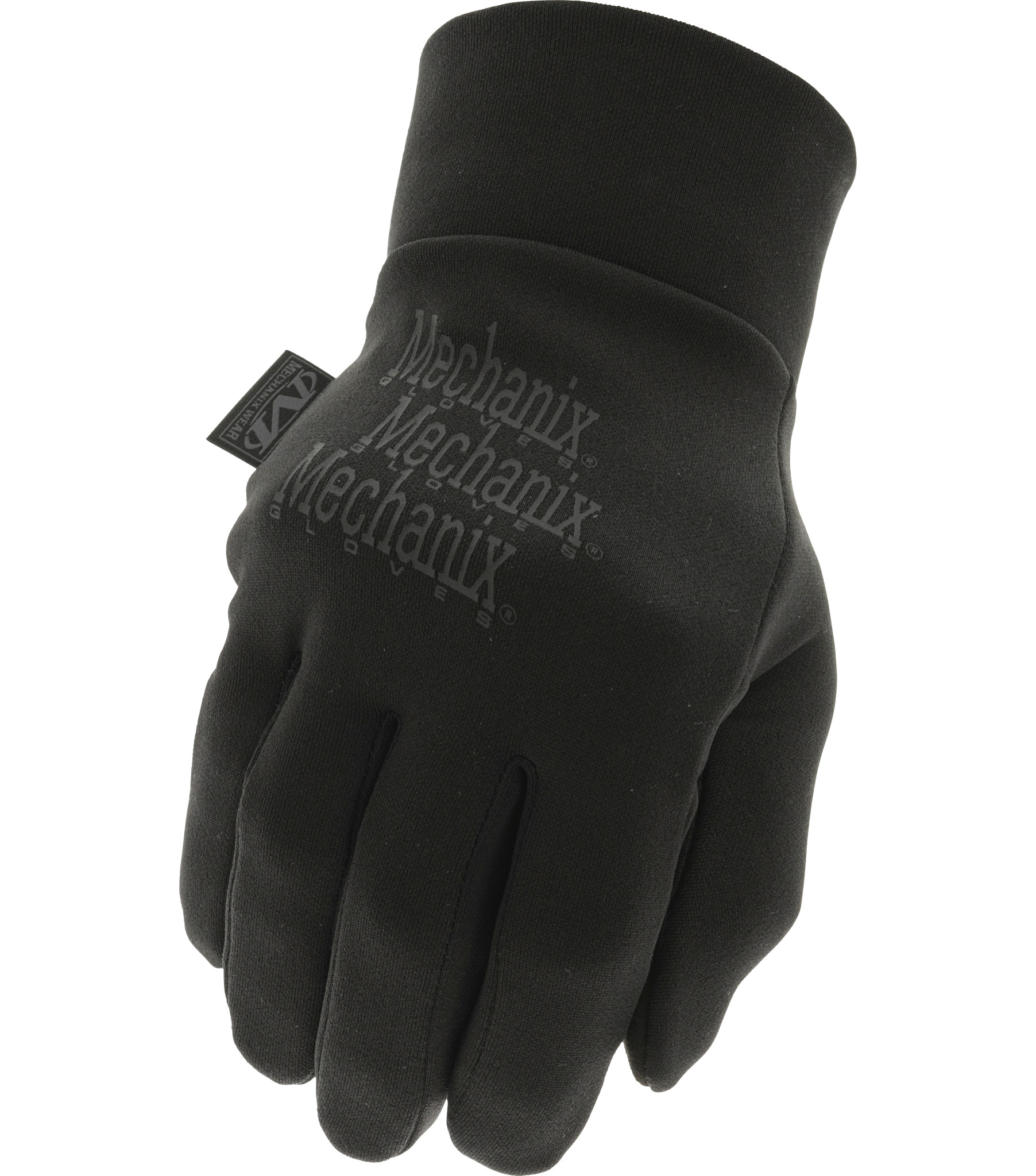
Glove Liners
The Coldwork Base Layer Covert winter work gloves from Mechanix Wear have a low-profile design that can be used alone or as a liner under other gloves. They feature SoftShell construction to prevent cold air from entering, a micro fleece lining for added warmth and a rollover cuff design for a secure fit. The gloves have touchscreen-capable thumb and index finger patches as well as a Padlock no-slip silicone grip palm pattern.
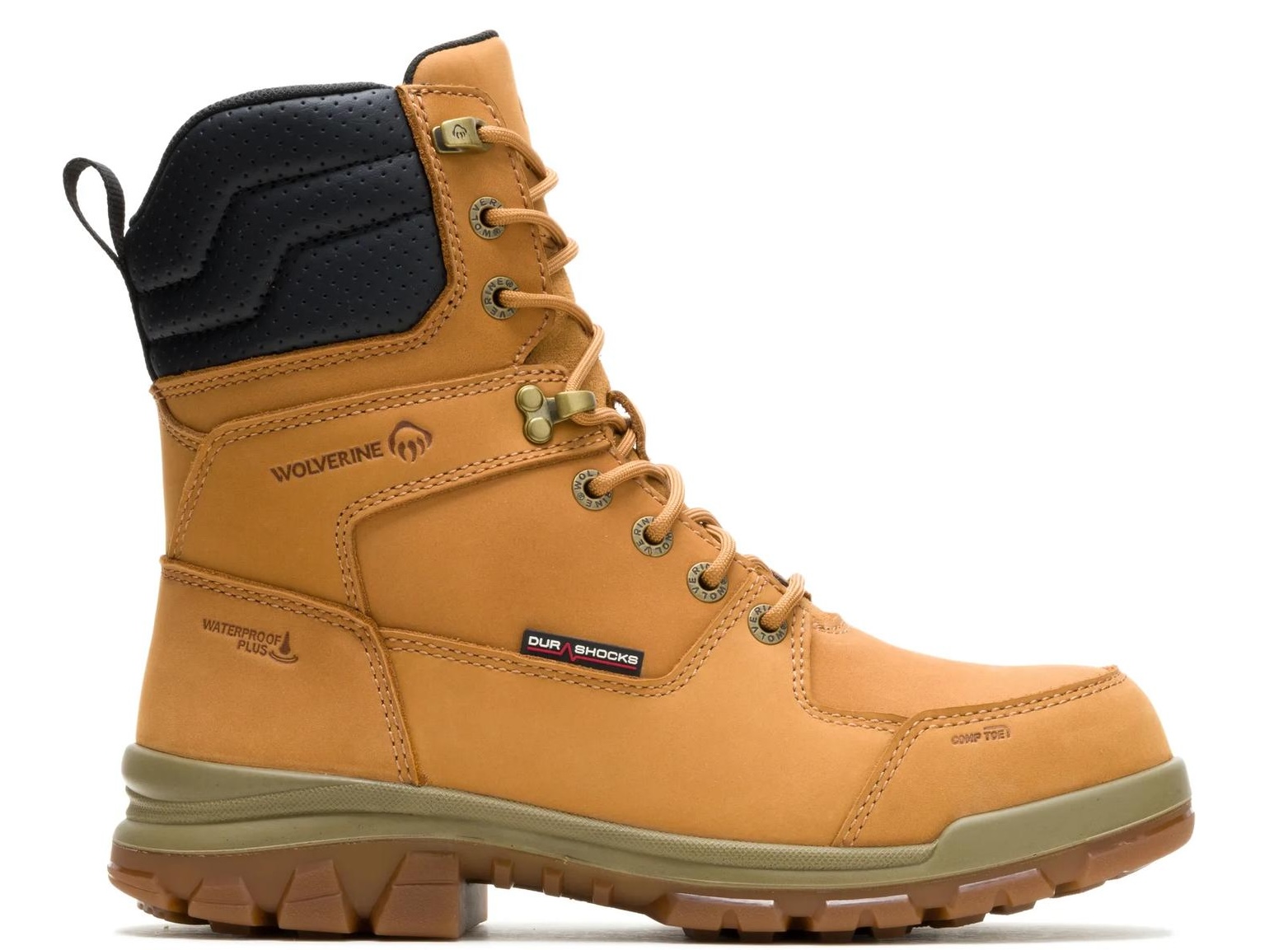
Insulated Work Boots
Wolverine DuraShocks SR Icon Insulated 8” CarbonMax work boots have a waterproof full-grain leather upper, a breathable waterproof membrane with moisture-wicking mesh lining and 400G Thinsulate insulation. The boots’ CarbonMax composite toe is lightweight, has a low profile and is resistant to temperature swings. Other details include a removable footbed for added cushioning and support, an advanced-comfort midsole, a slip-resistant, energy-returning DuraShocks outsole and a nylon shank for lightweight support.
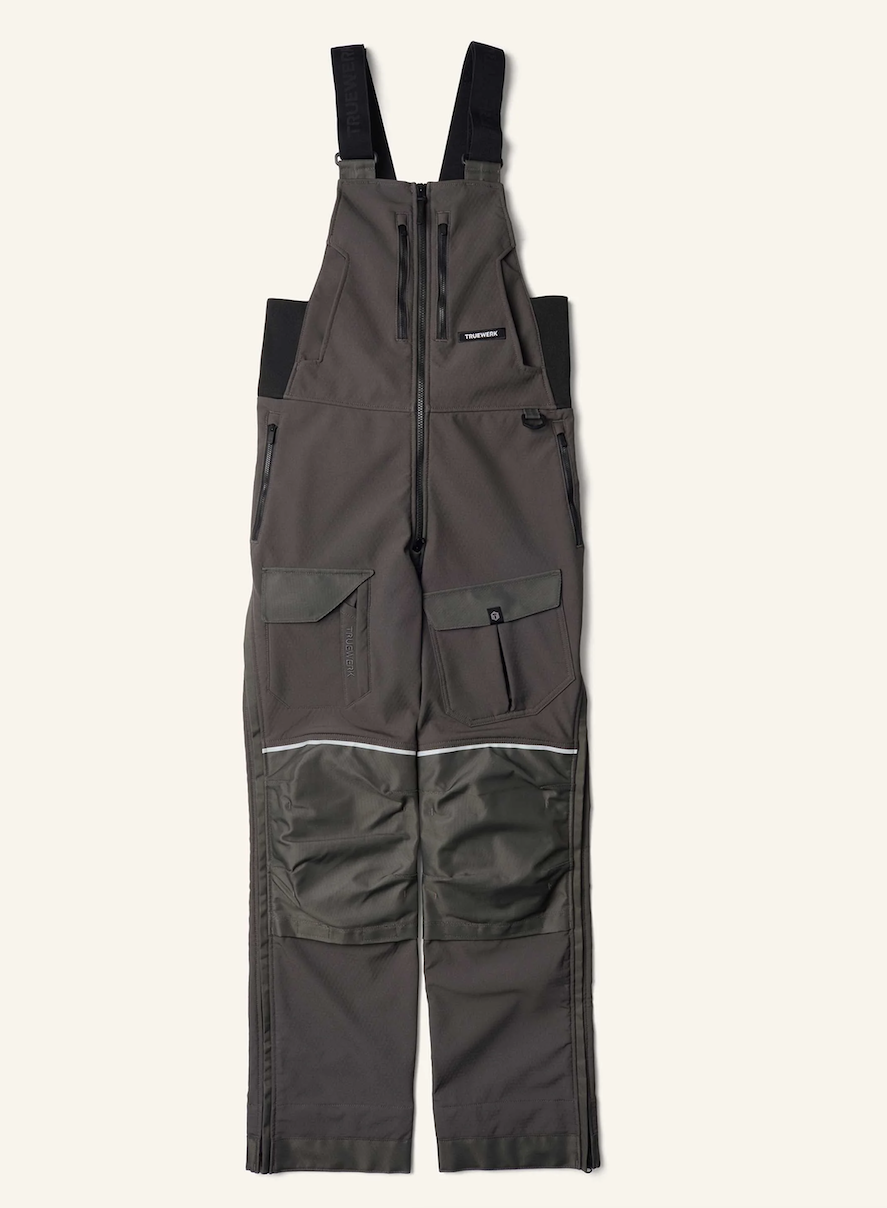
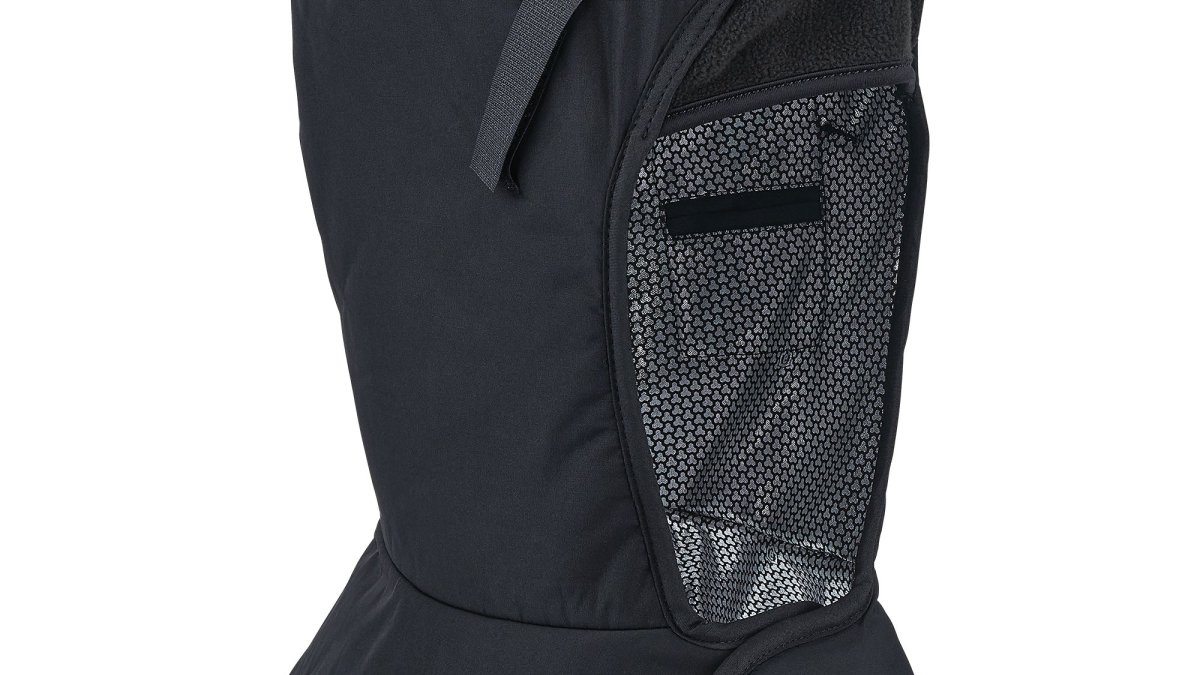
Windproof Work Bib
Truewerk’s new T3 Werkbib combines a windproof barrier, fleece backing, four-way stretch and a C0 DWR finish for warmth and water resistance without the bulk, the company says. Features include full-length leg zips for easy entry and removal as well as ventilation, a two-way front zip opening, integrated knee pads, double-stitched seams, ballistic nylon-reinforced cuffs and 12 pockets.
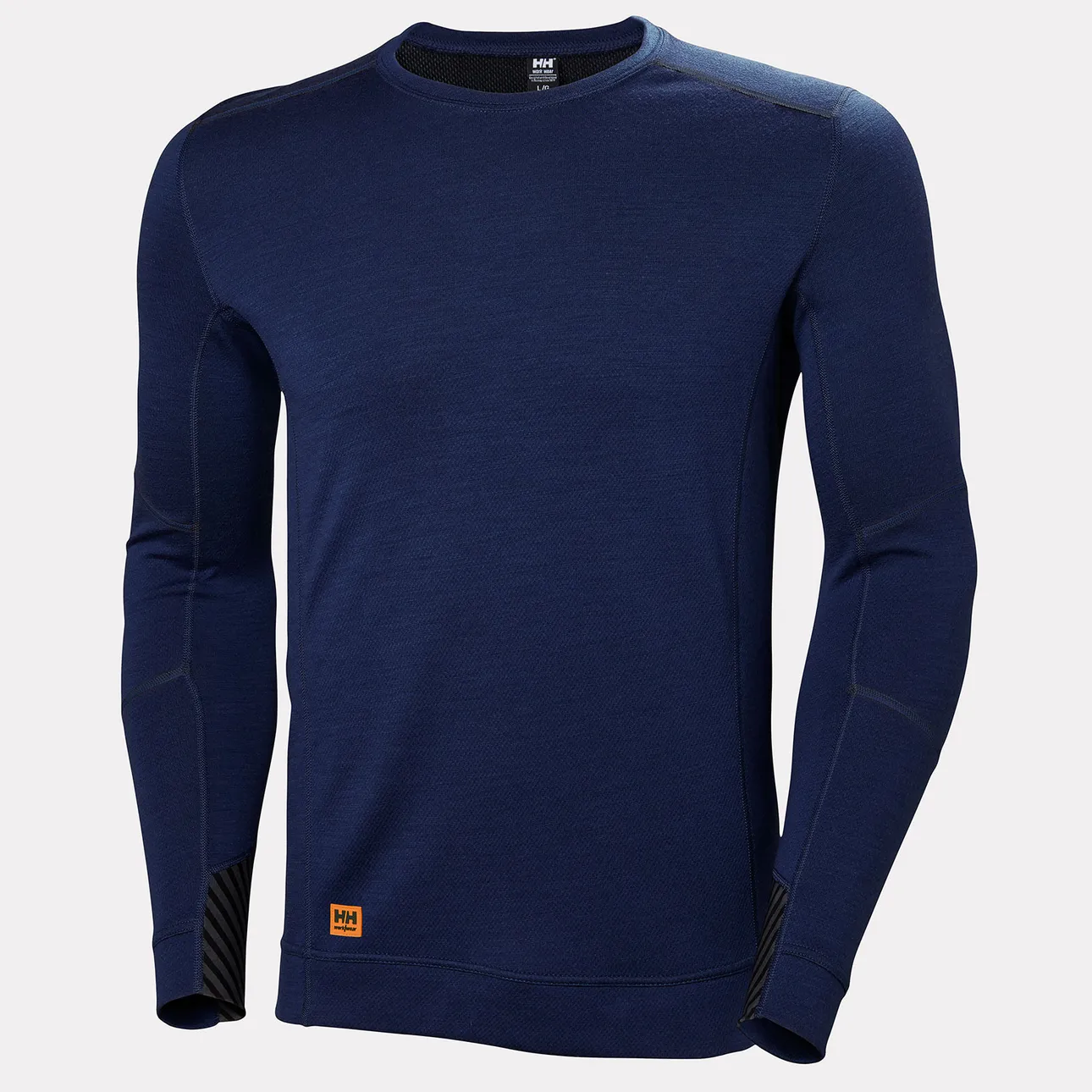
Base Layer Crewneck Shirt
Helly Hansen’s LIFA Max base layer crewneck shirt features dual-layer construction that provides warmth while wicking sweat away from the skin. The shirt has no seams on the shoulders or sides. It comes in Navy blue and in sizes from XS to 5XL.
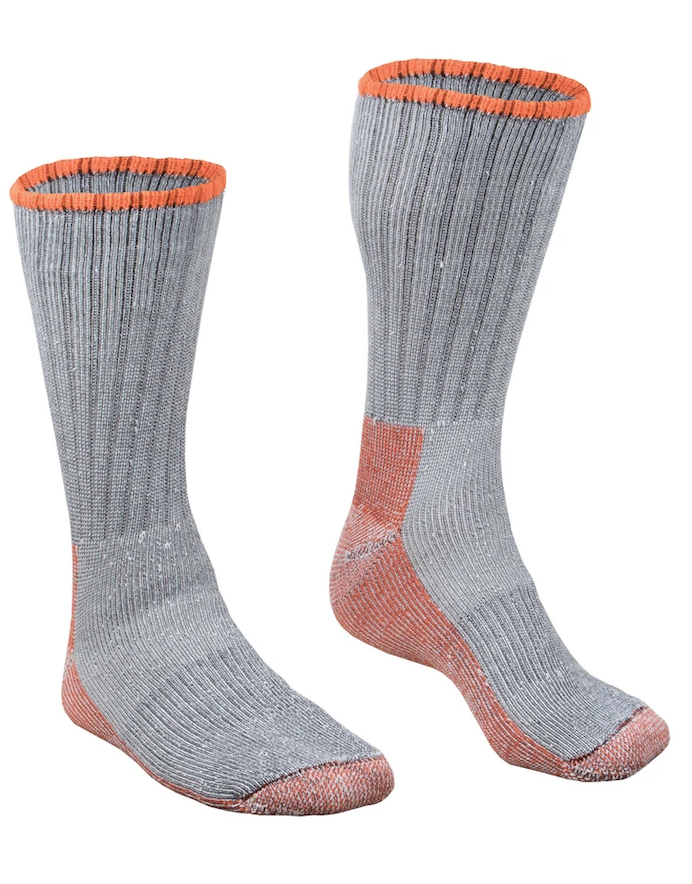
Boot Socks
Leather Boot Socks from RefrigiWear are made with Merino wool, combining warmth with moisture wicking and breathability. In addition, the socks offer arch and ankle support, a reinforced toe and heel and stretch ribbing on the calf to prevent bunching.
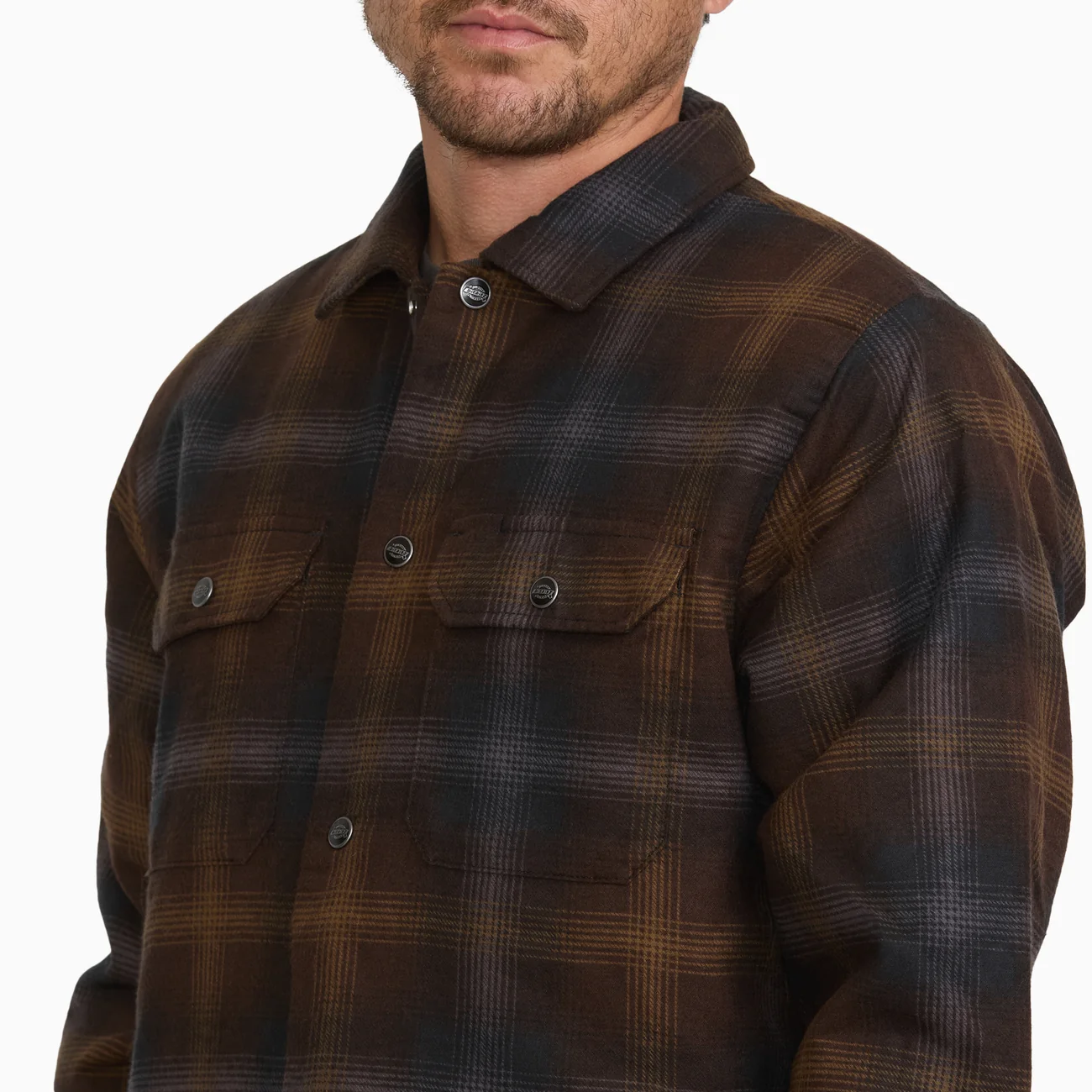
Insulated Shirt Jacket
When a full jacket isn’t needed, Dickies’ Insulated Plaid Shirt provides added insulation without bulk; it can be used alone or under another coat. The shirt includes adjustable cuffs, chest pockets with flaps, a quilted lining and a snap-button front. The brushed flannel fabric comes in three plaid color options.
What to Look for in Winter Work Gear
Cold-weather workwear should be selected as a system rather than as isolated pieces. Consider:
- Layering: Choose garments that work together without restricting movement.
- Moisture management: Use an inner layer that moves perspiration away from the skin.
- Wind and water resistance: Match outerwear to the expected precipitation and exposure.
- Mobility: Ensure insulation and layering do not interfere with climbing, kneeling or tool use.
- PPE compatibility: Confirm that liners, hoods, gloves and footwear work with required protective equipment.
- Jobsite visibility: Add compliant high-visibility garments where required; reflective accents alone may not be sufficient.
- Hazard ratings: Check applicable requirements for toe protection, traction, cut resistance, flame resistance and arc protection.
- Fit: Avoid clothing so tight that it restricts circulation or so loose that it creates an entanglement hazard.
Want more products? Get the latest by subscribing to our enewsletter.