Energy-Efficient Home Exteriors: How Pros Design for Performance
Aesthetics and performance are often the most important factors homeowners are considering when choosing materials for their exteriors. But many products can deliver even more without sacrificing style.
At a glance: Pros are increasingly turning to materials such as Cool Roofing Systems and insulated siding that can directly impact the energy efficiency and long-term durability of the home from top to bottom.
Reflect Solar Heat and Increase Ventilation With Cool Roofing
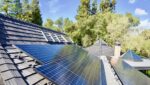
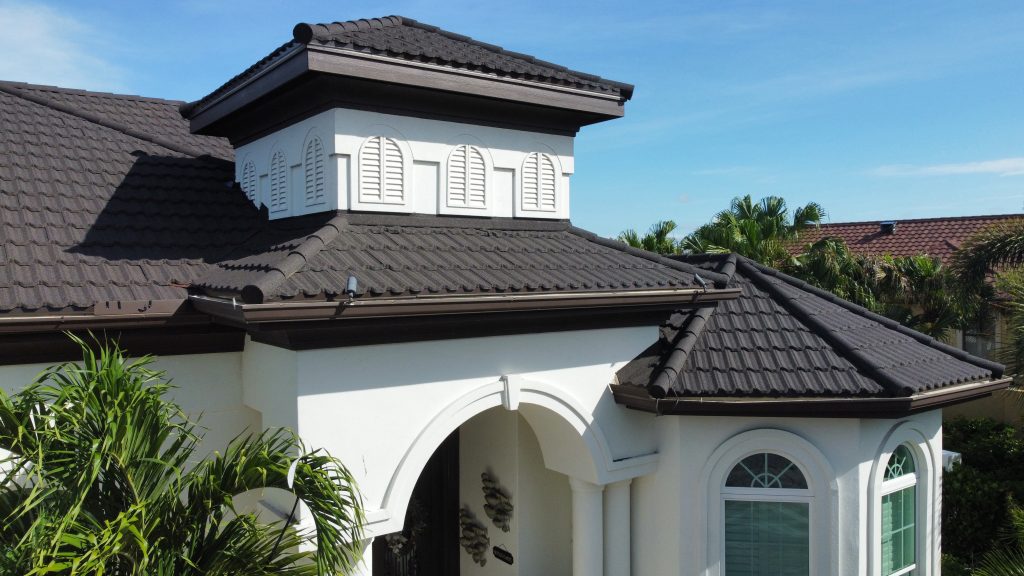
Metal roof systems alone offer reflectivity and resiliency that makes them a go-to for green-built or energy-efficient homes. Choosing Cool Roof colors and Cool Roof Systems for stone-coated steel can elevate the efficiency conversation even further, helping to keep homes cooler, save on energy costs and increase lifespan.
Lower Cooling Costs Using CRRC-Rated Cool Roof Colors
When specifying stone-coated steel tiles, look for Cool Roof Colors — they’re listed with the Cool Roof Rating Council (CRRC), an independent organization that lists products that have been rigorously tested for their solar reflectance and thermal emittance. Unified Steel® roofing, for example, is listed to reflect as much as 53% of the sun’s solar energy compared to 10% for a standard asphalt shingle.
By providing effective temperature regulation, Cool Roof Colors keep homes cooler in hot weather, reducing reliance on air conditioning and thereby helping to lower energy bills and even potentially extending the lifespan of the cooling system itself. Similarly, the lower surface temperature of a Cool Roof Color can help maintain the quality of the roof and extend its service life, minimizing the need for frequent repairs or replacements.
What Is a Cool Roof System?
A Cool Roof System for a stone-coated steel roof focuses on what’s underneath — the components and design details that insulate and ventilate to help keep the home cooler in the summer and warmer in the winter. Cool Roof Colors can be used alone or in combination with a Cool Roof System, and vice versa.
A Cool Roof System for Unified Steel® comprises:
- Unified Steel stone-coated steel panels
- Sol-R-Skin™ BLUE underlayment
- An Elevated Batten System® (EBS)
- Continuous ridge vent
The components work together to allow rising warm air to exit through the ridge vent, drawing outside ambient air across the roof deck. This continuous airflow creates a cooler attic and living space in the home to reduce AC usage.
Here’s something worth knowing if a homeowner wants a dark roof: ventilation can matter as much as color. Testing by Oak Ridge National Laboratory (ORNL) revealed that this Elevated Batten System on a dark roof is just as important as reflective roofs in achieving energy efficiency. ORNL’s 12-month study on the effects of infrared-reflective (IRR) pigments vs. metal roofs installed with an airspace showed above-sheathing ventilation can reduce heat flow into a building by nearly 30%.
Boost Thermal Performance and Wall R-Value With Insulated Siding
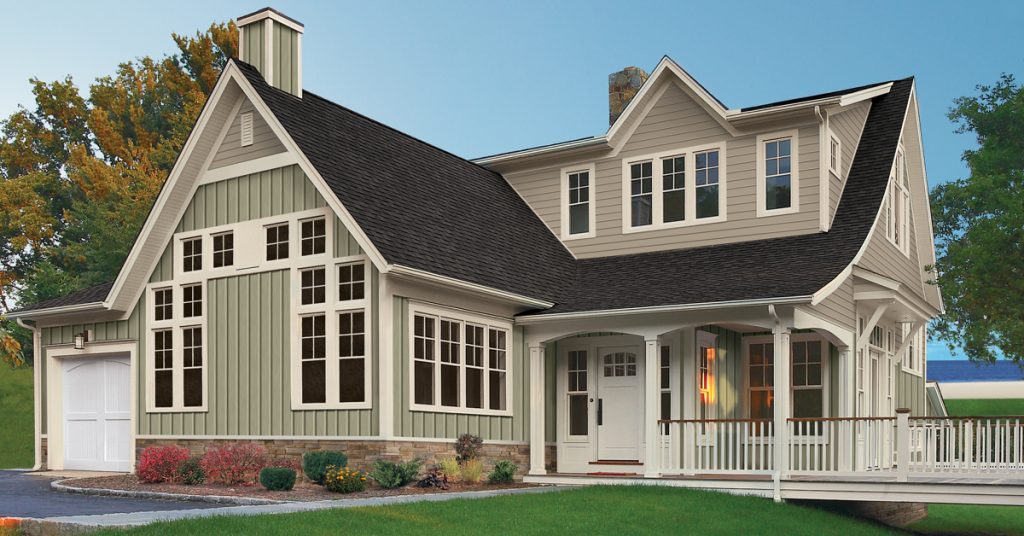
Insulated vinyl siding does double duty — that foam backing isn’t just for looks, it’s quietly boosting a wall’s thermal performance too.
The insulation board on the back of CraneBoard® Solid Core Siding® is just 1-1/8-inch thick, but it packs quite a benefit punch.
Improved Thermal Performance
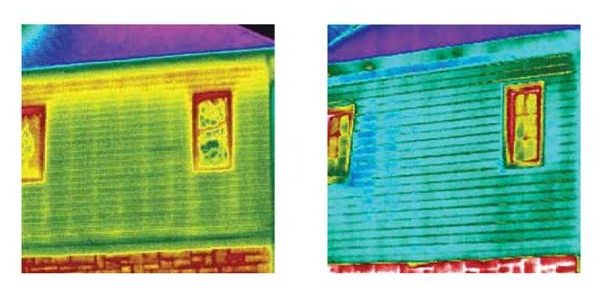
Wall studs are a weak point for energy loss — unlike the insulated cavity around them, the framing itself has nothing to stop heat from escaping. Insulated vinyl siding closes that gap by wrapping the whole exterior in continuous foam.”
You can see how this works in this side-by-side comparison using a thermal imaging camera. On the left is a house without insulated vinyl siding. The yellow area shows how heat transfers through the studs. On the right is the same house with CraneBoard® siding; shown in blue, it cuts down on the energy lost through the studs of the home’s walls.
As a result, CraneBoard® offers significantly more insulating power than fiber cement, wood, engineered wood or brick.
Moisture Management
CraneBoard is the only insulated siding with the Smart Track™ system. If water does sneak in, from wind-driven rain or vapor moving through the wall, Smart Track’s moisture ridges give it a way out.
Noise Reduction
The foam insulation backing on CraneBoard also helps reduce the transmission of external noise, contributing to a quieter interior.
High-End Aesthetics
Because its insulation backing provides for a more robust, stiff panel, CraneBoard comes in wide, architecturally correct 6-inch and 7-inch panels for a truly authentic cedar look and in 12-foot and 16-foot lengths for fewer seams. The rigid panel helps straighten walls for a clean, smooth finished appearance.
Along with the wider profiles, CraneBoard is also available in Quad 4.5-inch Dutchlap and Board & Batten styles to meet any design aesthetic.
Invest in Sustainable, Energy-Efficient Exterior Products
Looks get the first impression, but it’s what’s underneath that keeps a home comfortable and efficient for years to come. Often these products also deliver greater durability and long-lasting performance, further contributing to the home’s sustainability and resilience.
FAQ: Energy-Efficient Exterior Design
1. What exterior products can improve a home’s energy efficiency?
Several exterior products can help improve a home’s energy efficiency without sacrificing curb appeal, such as cool roofing and insulated siding. Cool roofing systems and insulated siding are designed to help regulate indoor temperatures by reflecting heat, improving ventilation and increasing a home’s thermal performance. These products can also contribute to long-term durability and comfort.
2. What is a Cool Roof, and how does it save energy?
A Cool Roof uses reflective roofing materials and ventilation components to reduce heat absorption and improve airflow. Cool Roof Colors are designed to reflect more of the sun’s energy, helping keep homes cooler during hot weather and reducing reliance on air conditioning. When paired with a properly ventilated Cool Roof System, homeowners can further improve energy efficiency while supporting long-term roof performance.
3. What are the benefits of insulated siding?
Insulated siding helps improve a home’s thermal performance by reducing heat loss through wall studs and adding continuous insulation around the exterior. In addition to increasing energy efficiency, insulated siding can help manage moisture, reduce outside noise and create a smoother, more refined appearance with wider panels and fewer visible seams.