The Rural Revival: How to Design an Oasis Outside the City
As the pace of modern life continues to accelerate, more homeowners are dreaming of a place to slow down, reconnect with nature and refocus their priorities. An occasional weekend retreat to a modest cabin fits perfectly for some, while others choose to invest in a full-time residence, thoughtfully designed and removed from the hustle and bustle. In fact, since 2020, most population growth in the U.S. has occurred in smaller cities and rural areas. Adults aged 25 to 44 are relocating to small towns at the highest rate in decades, drawn by affordability, flexibility, and a lifestyle closer to nature.
Whether you're building from the ground up or restoring a family property, designing a rural home today is all about intention: using materials, plants, and spaces to create beauty, maximize comfort, and reinforce a natural connection to the land. Here’s how to bring a modern rural vision to life.

Build Resilience from the Ground Up
Designing in a rural setting means responding to the land, both practically and aesthetically. Certain settings will require intense preparation, particularly in areas where water scarcity and wildfire risk are pushing homeowners to think carefully. To ensure your property is both beautiful and prepared for the future, focus on:
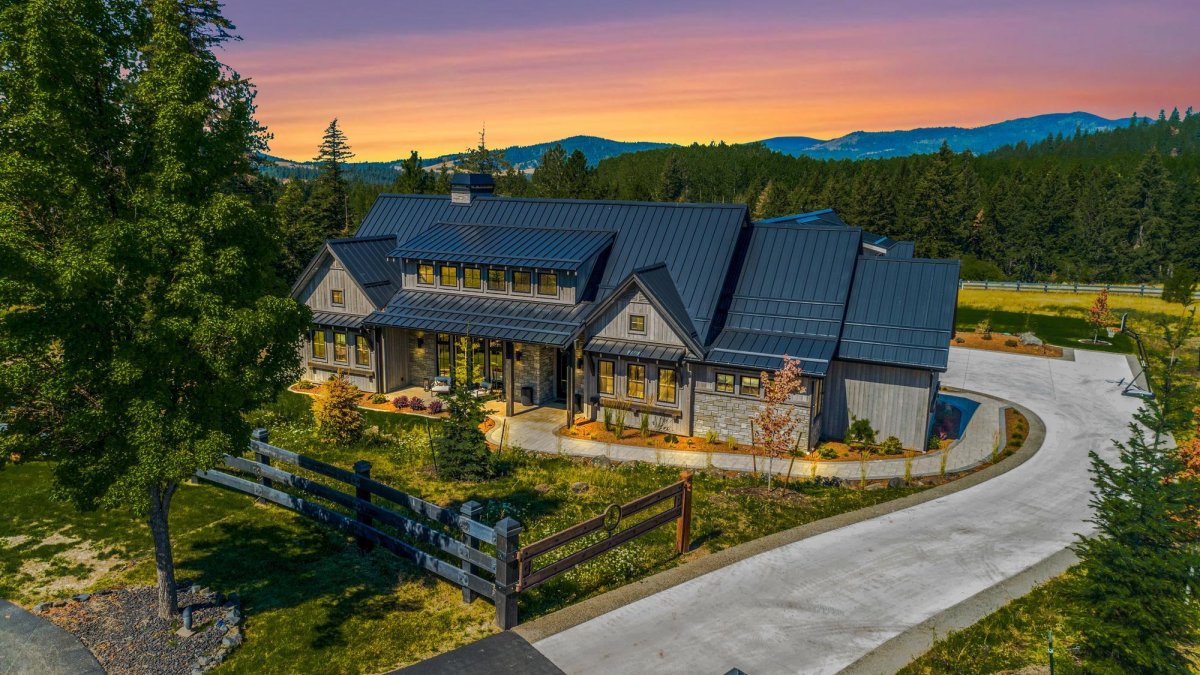
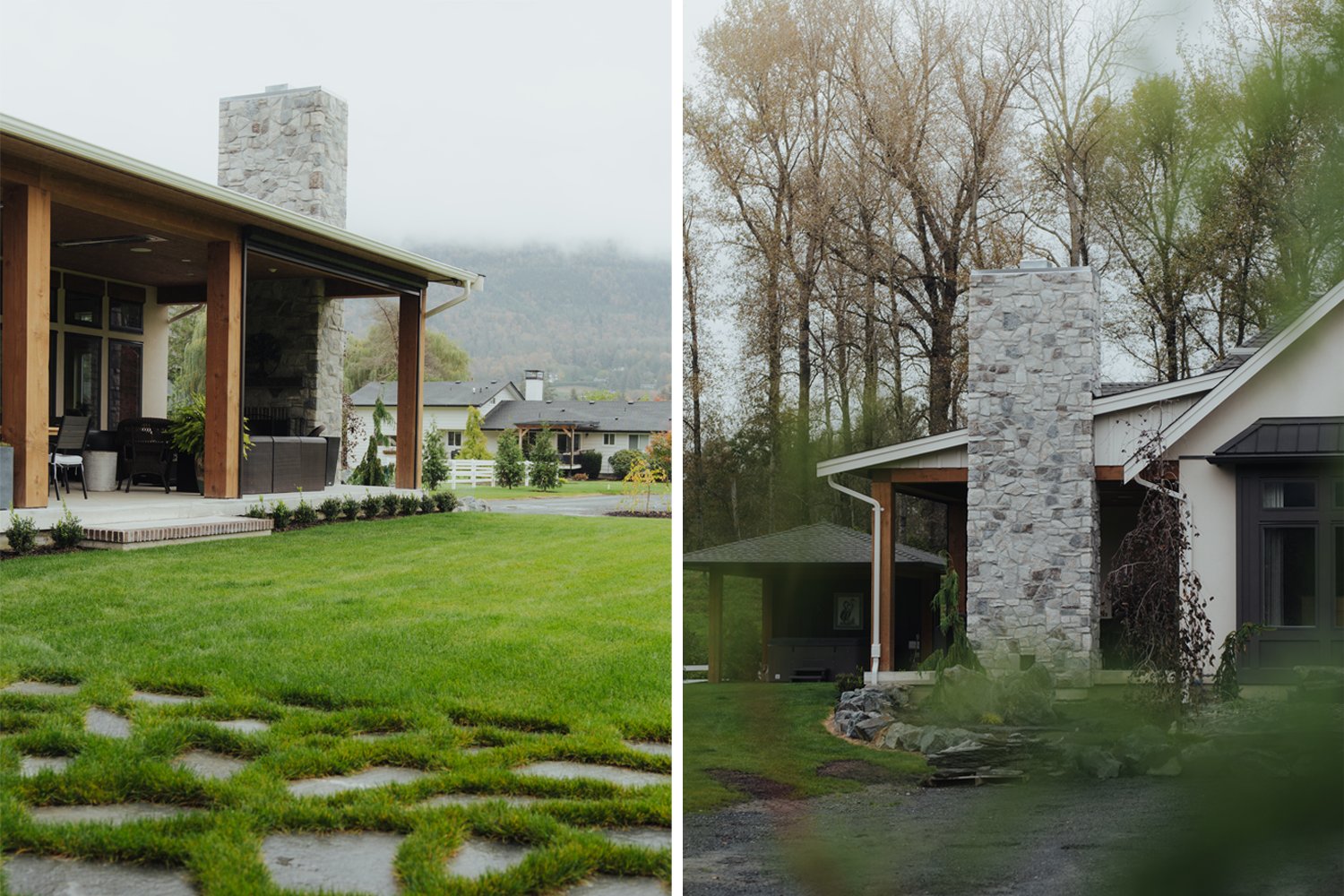
- Choosing durable materials like fiber cement siding, steel or clay roofing, and manufactured stone veneer that resist weather extremes while blending beautifully with the environment.
- Designing defensible spaces around the home by incorporating native, drought-tolerant plants and minimizing combustible materials near structures.
- Planning for efficiency by incorporating rainwater collection systems, natural shading, and energy-smart building techniques.
Make Outdoor Living the Heart of the Home
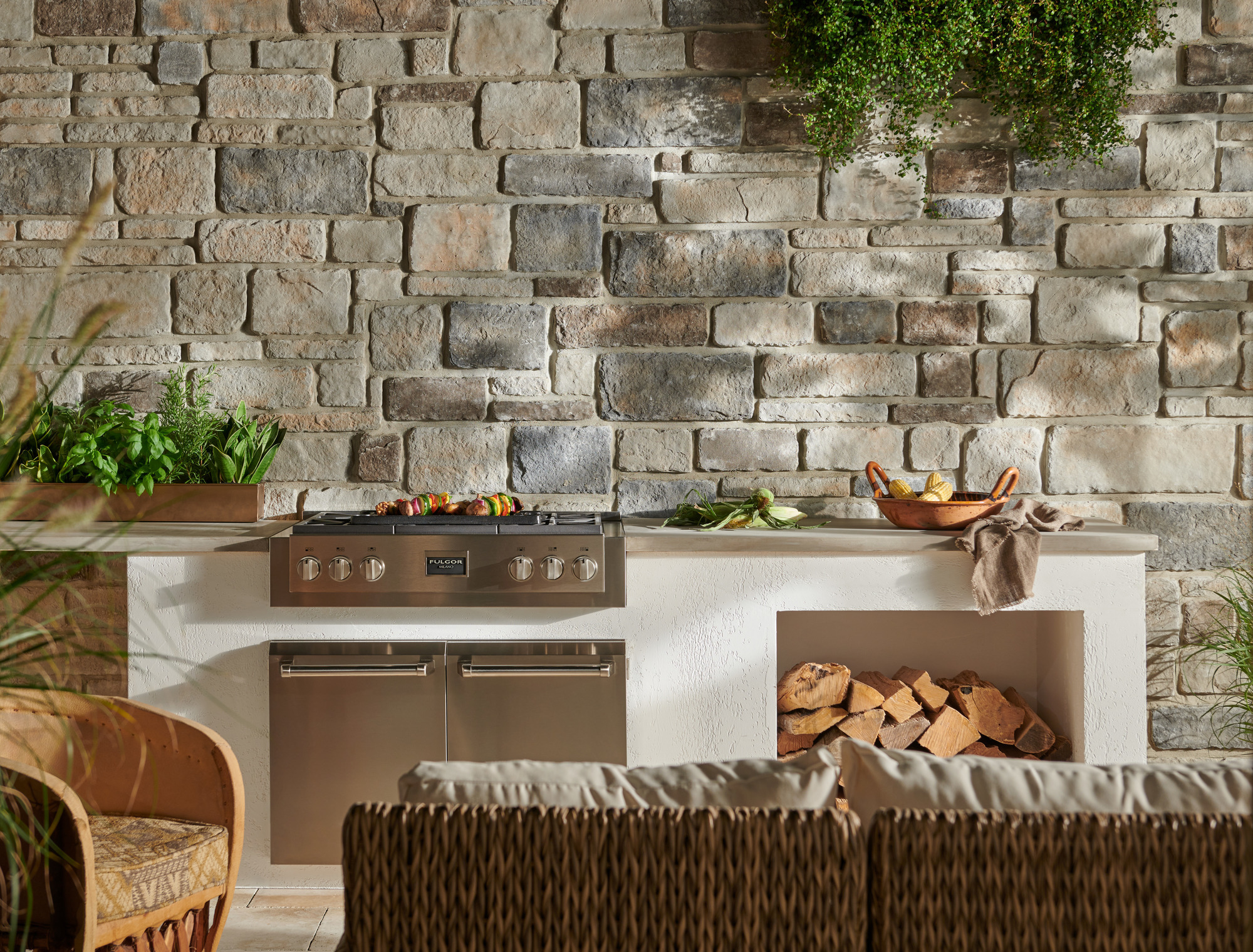
With more people craving space to breathe, outdoor living is no longer an add-on—it’s the main event. Spacious porches, plunge pools, outdoor kitchens and fire pits are just some of the features homeowners are embracing to maximize their connection to the land. Elevate your outdoor living spaces with:
- Seamless transitions between indoor and outdoor spaces, using large sliding doors or covered breezeways.
- Natural materials like stone, reclaimed wood, and gravel to make patios, pathways and pavilions feel timeless and rooted in the landscape.
- Curated zones for gathering, from casual fire pits to full dining patios, encouraging easy outdoor entertaining.
Let the Landscape Inspire Your Design Palette
One of the simplest ways to make a rural home feel grounded is to take design cues directly from the surrounding environment. Homeowners are keen to let nature lead the way when choosing colors, materials, and textures. For you, this natural inspiration may look like:
- Using regional colors like soft, mossy greens and grays in forested areas, warm, golden neutrals in open plains, or muted reds and browns in dry, desert settings.
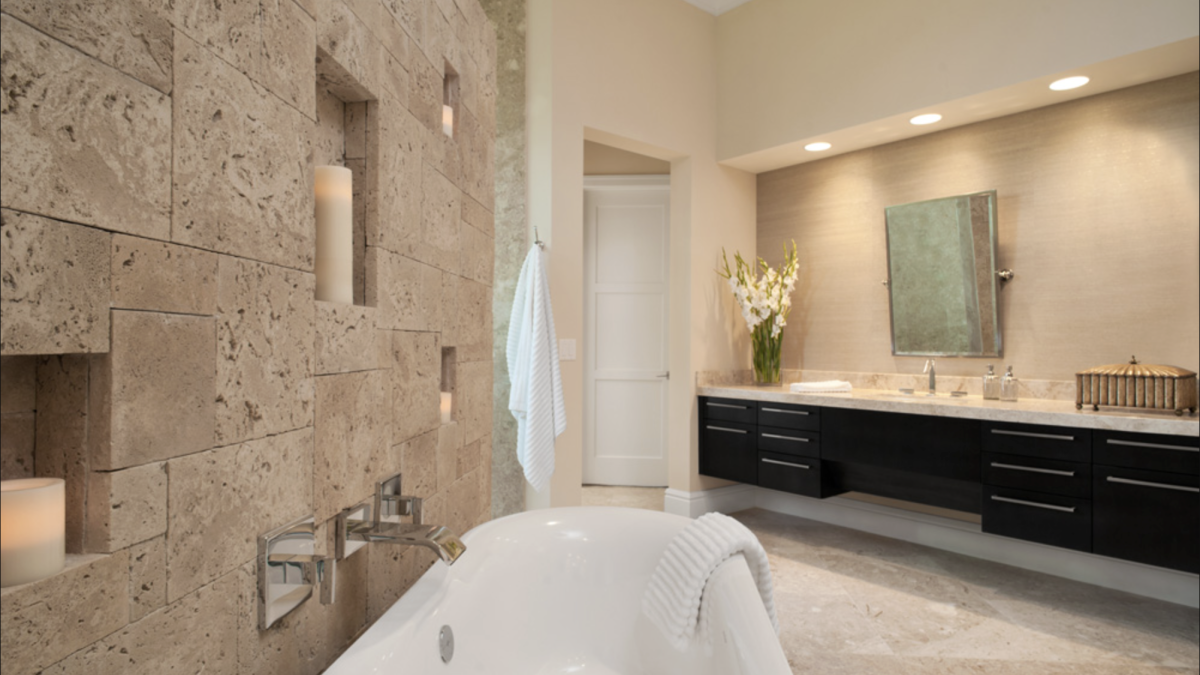
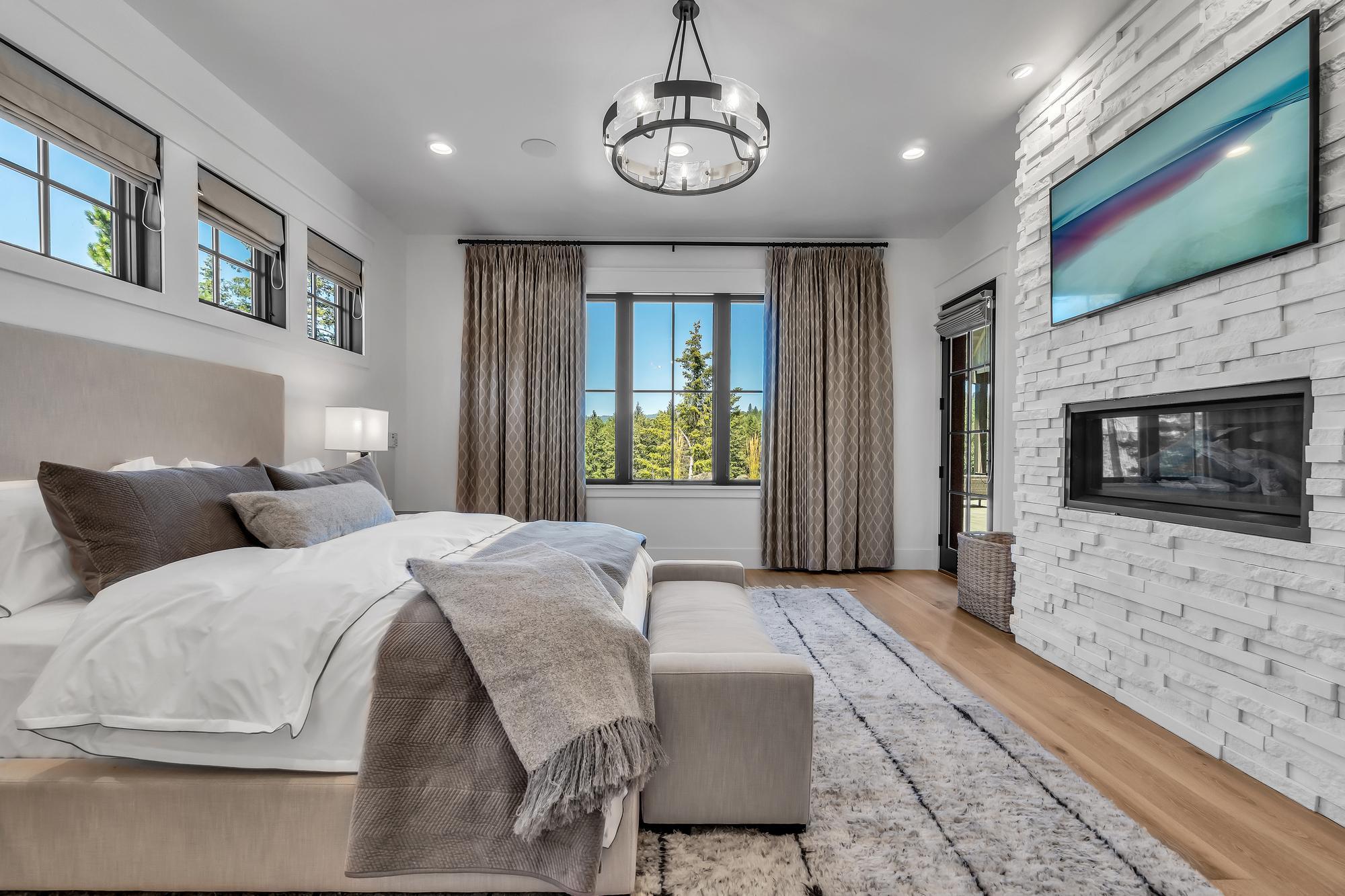
- Blurring the lines between indoor and outdoor zones, with transitional materials like stone veneer that can move from an exterior wall to an indoor fireplace.
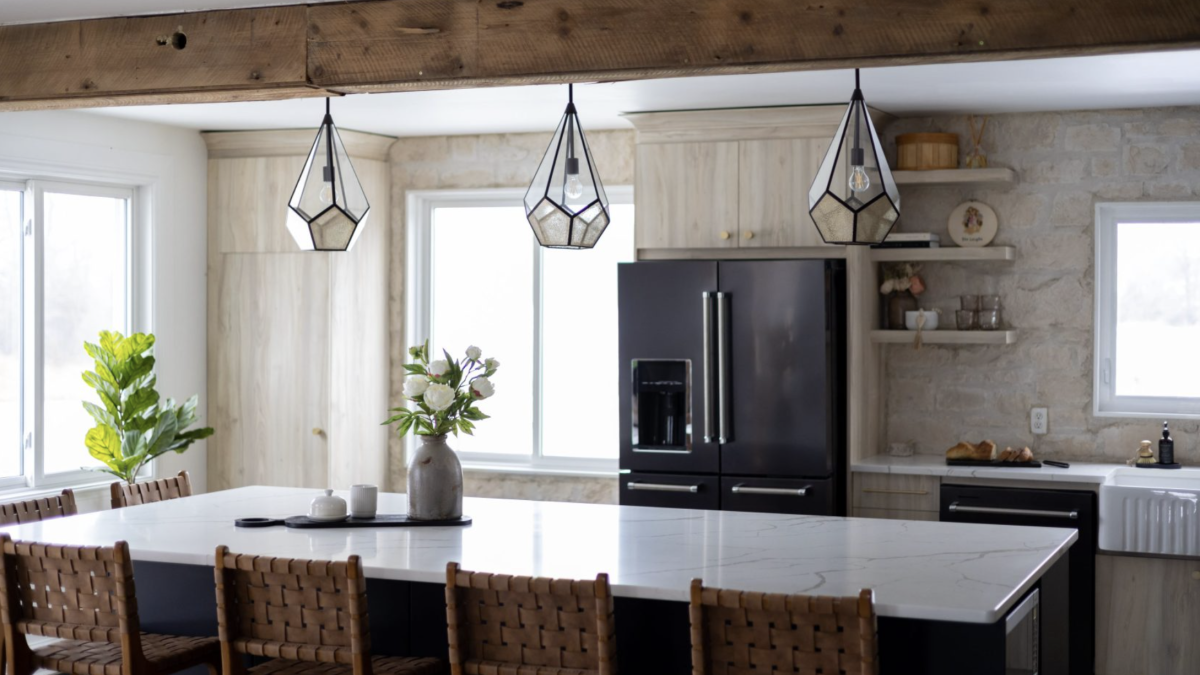
- Choosing finishes that celebrate and elevate nature like unfinished wood, stone, and tactile, organic textiles to create a home that feels like it’s always belonged within its local environment.
Design Spaces That Restore and Rejuvenate
Wellness has become a cornerstone of home design, and rural settings offer unique opportunities to create restorative retreats. Create spaces that support balance and well-being by:
- Installing outdoor showers or soaking tubs tucked into private garden areas.
- Adding meditation nooks with panoramic views or flex rooms that double as home gyms and creative zones.
- Consider adding an ADU (accessory dwelling unit) or converting a barn into a guest house, studio, or remote workspace, allowing for flexibility and privacy on the property.

Return to What Matters Most
In many ways, rural living reflects a desire to get back to what’s essential: beauty, serenity, self-sufficiency and care for the land. When designing your rural getaway, think about creating a home that doesn’t overpower the landscape but integrates with it softly and naturally.
With the right approach, you can craft a home that’s not just a place to stay, but a way of living.